What Is a Notice of Assignment — and What Will My Customer Think?
Part of our Honest Answers series — straight talk about financing a growing business.
When you start factoring, we send your customer a letter. It tells them to send your payments to us instead of to you.
We call it a first-time purchase letter. The industry calls it a Notice of Assignment. Most guys call it “that letter you send my customer,” and it’s the part they…
How to Start a B2B Business With Little or No Money — and Still Own All of It
Honest Answers from American Commercial Capital
Most advice about starting a B2B business with no money skips the hard part. It tells you to “bootstrap,” “hustle,” and “find investors.” Two of those are useful. The third one costs you the thing you started the business to get in the first place.
Here’s the honest answer: you can start a B2B business with no money — or close…
What Makes the Best Factoring Company in Houston? An Honest Answer From Someone Who Runs One
Short answer: There is no single best factoring company in Houston. There is a best factoring company for your business, and which one it is depends on your invoice size, your industry, your customers’ credit, how much hand-holding you need, and how much you’re willing to pay for speed. This article gives you the criteria to figure that out — including the questions that will get you an honest…
Survival Skills for Entrepreneurs: Growing a Business Without Running Out of Cash
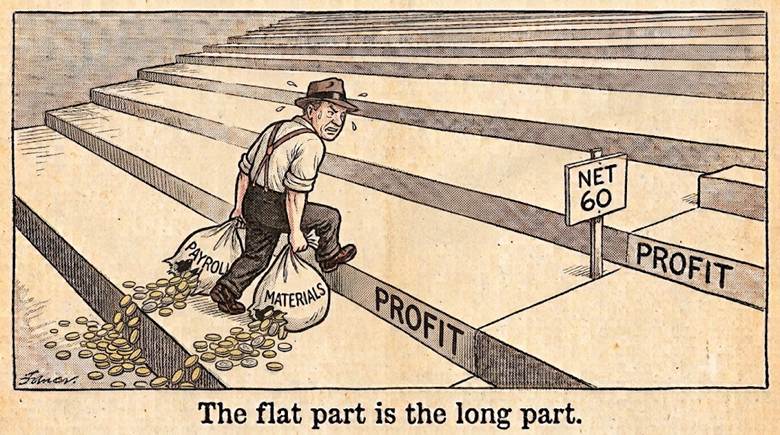
I’ve been in the factoring business since 1993, and I started American Commercial Capital in 2003. That means I’ve spent more than thirty years looking at the inside of small companies — their invoices, their aging reports, their customer lists, their payroll cycles.
It’s an unusual vantage point. A banker sees a polished loan package. An accountant sees last year. I see what’s happening this week, in real…
What’s a UCC-1 Filing, and Why Does My Factor Need One?
Part of our Honest Answers series — straight talk about financing a growing business.
Somewhere in the factoring agreement, usually right about where you’re feeling good about the deal, you’ll hit a line that says the factor will file a UCC-1 against your business. And for a lot of owners, that’s the moment the stomach tightens. A lien? Against me? I thought I was the one getting paid…
How to Record Factoring Transactions and Keep Your Books Accurate
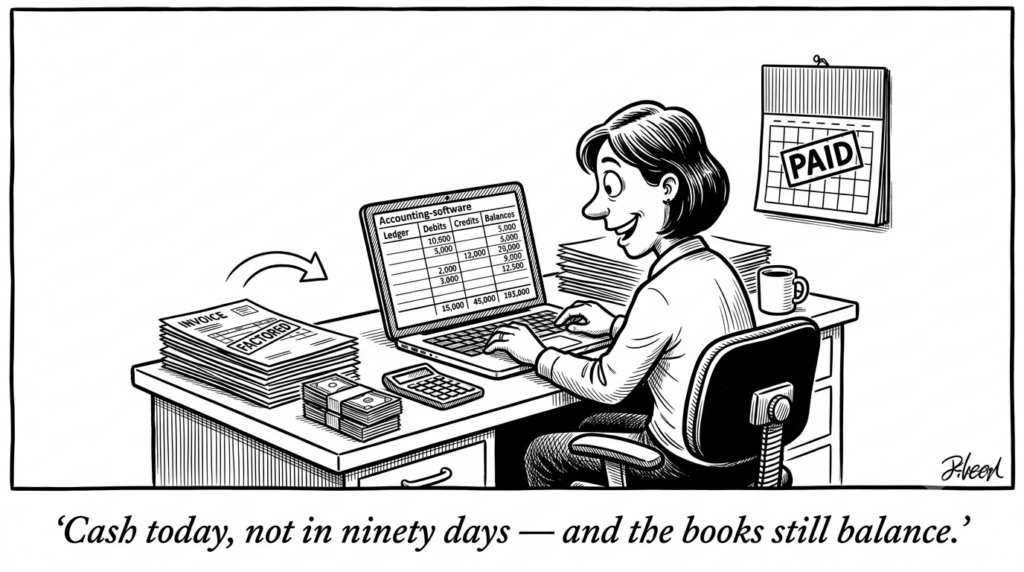
To record factoring transactions accurately, your books need to handle four things a standard accounts-receivable workflow was never built for: the factor’s advance, the withheld reserve, the fee, and the release of that reserve when your customer pays. This guide shows you how to record factoring transactions using three dedicated general-ledger accounts and four simple journal entries — and how to choose between the gross and net-of-discount methods of…
Recourse vs. Non-Recourse Factoring: What’s the Difference, and Which One Is Right for You?
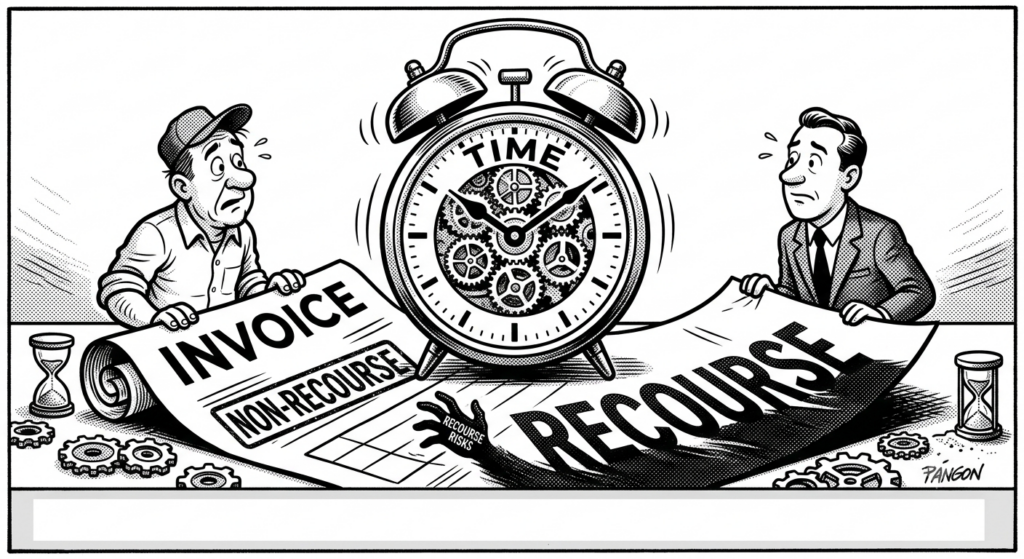
When business owners start looking into invoice factoring, two words come up fast: recourse and non-recourse. They sound like fine print, and plenty of owners nod along without really knowing which one they’re signing up for. But this is one of the most important choices in any factoring agreement, because it decides who eats the loss if your customer doesn’t pay. After decades of financing small businesses, I…
The Unseen Advantages of Predictable Cash Flow (And How They Quietly Grow Your Profit)
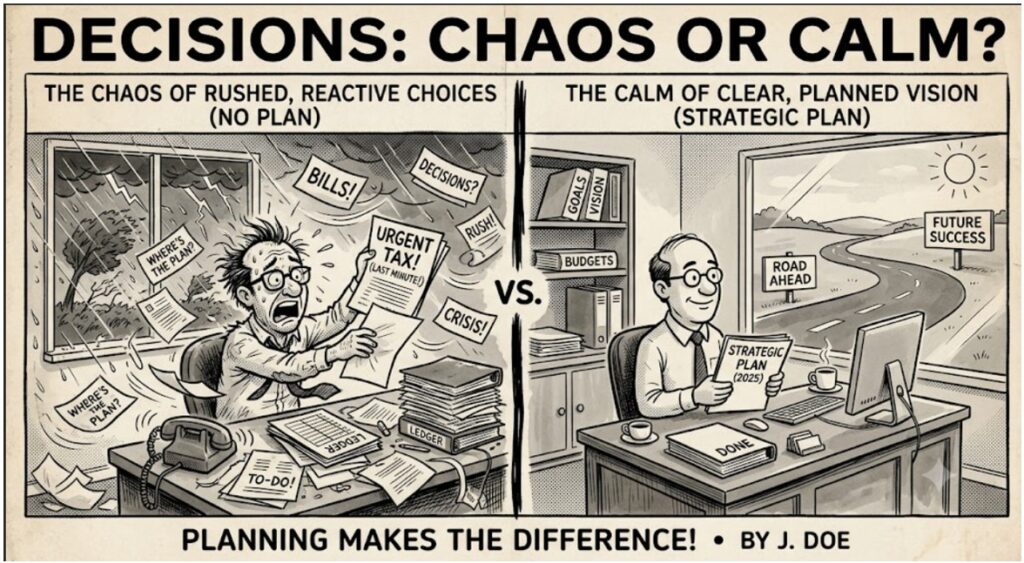
Most owners think about cash flow the way they think about oxygen. You only notice it when it’s running short. When money’s tight, cash flow is the only thing on your mind. When money’s flowing, you stop thinking about it and go back to running the business.
I’ve spent more than thirty years watching small businesses either make it or fold, and I’ll tell you what almost nobody…
Am I Locked In? Contracts, Monthly Minimums, and What It Costs to Leave
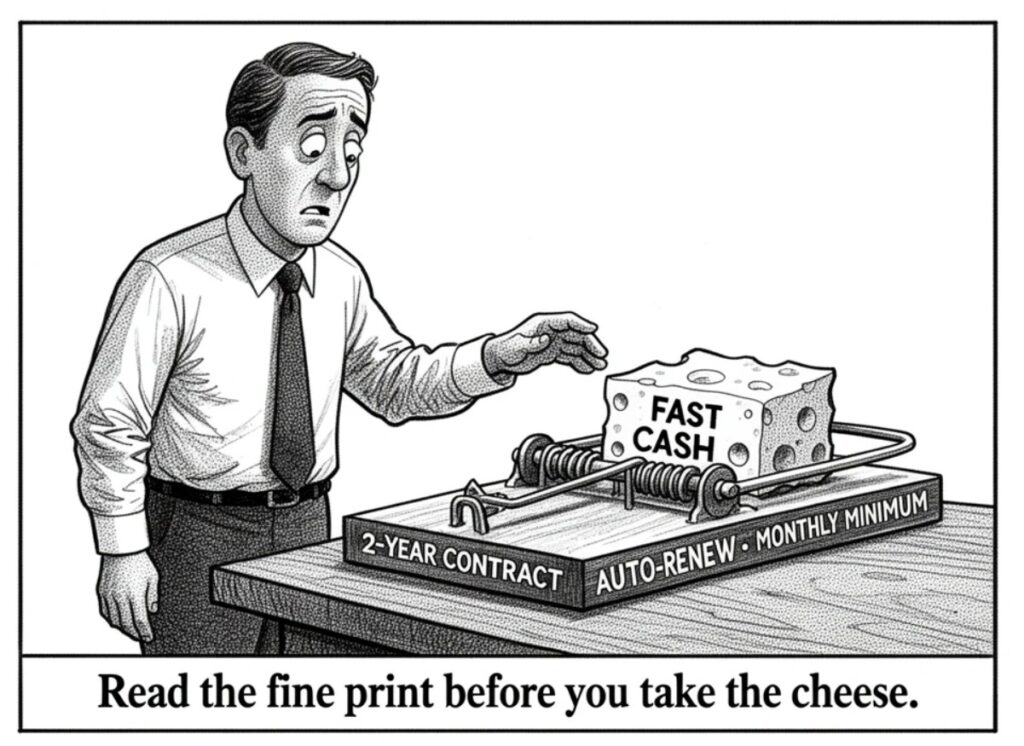
An honest answer about the factoring terms that actually tie people down — and the ones that don’t.
Published July 2026 · Last updated July 2026
If you’re asking whether factoring ties you down, you’re asking exactly the right question. The advance rate and the fee get all the attention, but they’re rarely what makes a factoring relationship feel good or feel like a trap. That comes…