AMCOMCAP.COM BLOG
WORDS OF WISDOM FOR ENTREPRENEURS & BUSINESS OWNERS

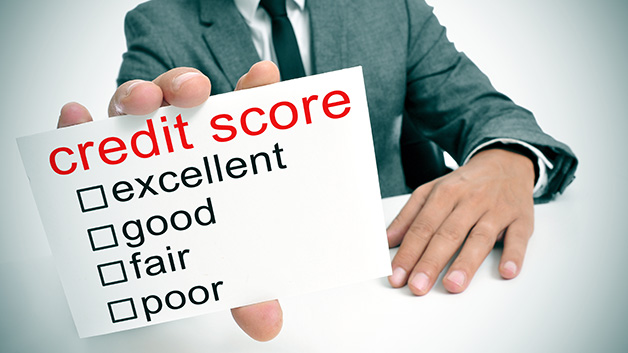
A strong business credit score is an important factor in whether or not your company gets approved for trade credit and financing. But with all the hard work you put into day-to-day operations of your business and laying out roadmaps for the future, staying on top of your business credit score is easy to neglect.
But you shouldn’t neglect it! Just as the FICO score is used to determine personal creditworthiness, the Paydex score by Dun & Bradstreet (D&B) is the most commonly used measure of a business’ creditworthiness. Unlike the FICO, the Paydex score is calculated based on a single factor—whether a business makes payments to its suppliers and creditors “as agreed” or “better than agreed.” The Paydex score ranges from 0 to 100, with 80 or higher indicating that a company is paying its invoices on time or before due dates.
Here are five simple ways to improve your business credit score.
1. Make quick payments. Always pay your invoices by the due date, at the very least. Late payments can knock your Paydex score down considerably, so avoid those at all costs. To make an even bigger positive impact on your business credit score, however, paying invoices, say, 30 days ahead of the due date can work wonders, boosting a good Paydex score (80) to an excellent one (100).
2. Keep business debt and credit utilization low. Keeping your business debt as low as possible will lower your credit utilization, which is good for your business credit score. Lenders look at a company with a high utilization rate as a bigger risk, as that company may not be able to repay its debts. As such, it’s usually recommended to keep your business credit utilization under 30% or close to it.
3. Increase your business credit limit. Another way to lower your credit utilization is to increase your credit limits. Some credit issuers may automatically increase your business credit limit, but it can’t hurt to request a credit-limit increase. Doing so could lower your business credit utilization and increase your business credit score!
4. Keep your business profile up to date. This is important! If you’re not sure whether or not your business has a credit file with Dun & Bradstreet, you can call D&B at 1-866-785-0430 or visit iUpdate to update and manage your company’s credit profile. Be sure to correct any errors and update it with complete, accurate information about your business.
5. Check your business credit report. Just as with your personal credit report, it’s up to you to dispute any incorrect information that could hurt your rating. Request your company’s credit report from D&B today and get started on improving your business credit score today!
Have questions about how credit and factoring fit together? Our FAQ is a good place to start.

Part of our Honest Answers series — straight talk about financing a growing business.
When you start factoring, we send your customer a letter. It tells them to send your payments to us instead of to you.
We call it a first-time purchase letter. The industry calls it a Notice of Assignment. Most guys call it “that letter you send my customer,” and it’s the part they…
Honest Answers from American Commercial Capital
Most advice about starting a B2B business with no money skips the hard part. It tells you to “bootstrap,” “hustle,” and “find investors.” Two of those are useful. The third one costs you the thing you started the business to get in the first place.
Here’s the honest answer: you can start a B2B business with no money — or close…
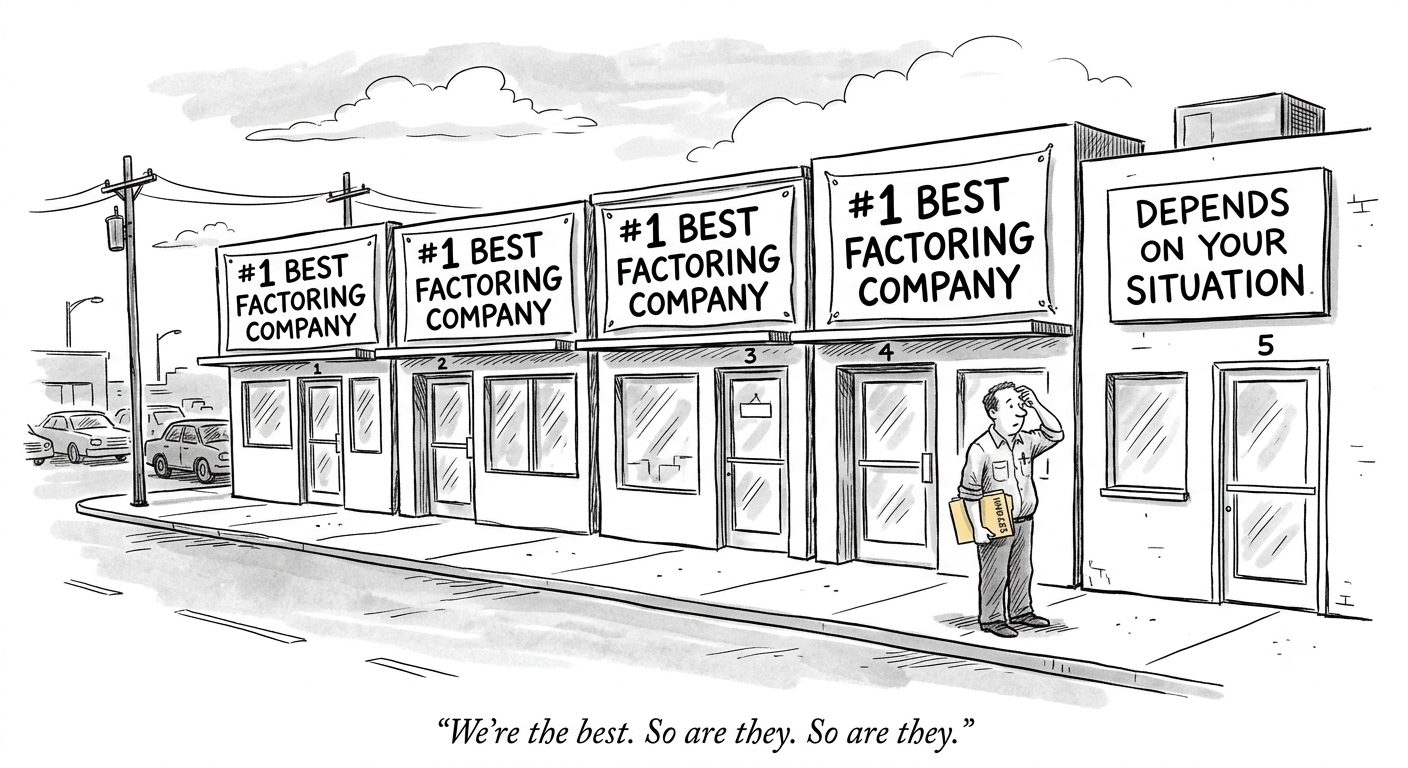
Short answer: There is no single best factoring company in Houston. There is a best factoring company for your business, and which one it is depends on your invoice size, your industry, your customers’ credit, how much hand-holding you need, and how much you’re willing to pay for speed. This article gives you the criteria to figure that out — including the questions that will get you an honest…



HOW MUCH COULD FACTORING INCREASE PROFITS FOR YOUR BUSINESS?
CALL 713-227-3863