AMCOMCAP.COM BLOG
WORDS OF WISDOM FOR ENTREPRENEURS & BUSINESS OWNERS


Invoice factoring is a type of business financing unfamiliar to many small business owners. It provides a business with working capital and solves cash-flow problems, but it’s not like a bank loan or credit. So let’s break down invoice factoring and explain exactly what it is and how it can benefit your business.
Invoice factoring is when a business sells its accounts receivable (invoices) to a third-party company at a discount. Factoring helps prevent business cash-flow problems by allowing a business to get paid on invoices almost immediately — much sooner than waiting the typical 30 to 90 days for a client payment. Accounts receivable factoring can therefore eliminate business cash-flow restrictions, providing a consistent cash flow that’s not interrupted by waiting on clients to pay their invoices.
Ultimately, invoice factoring gives a business the power to grow.
Once a business has sold its accounts receivable or invoices to the factoring company, the factoring company handles all the collection and payment processing. This is a tremendous help to small businesses because they don’t have to spend any time or effort making collection calls, managing payments, and ensuring that cash keeps flowing uninterrupted. The factoring company saves the business from this burden and keeps cash flow steady.
Absolutely. A bank makes a loan based on the credit-worthiness of the entity requesting the loan, so it’s difficult for startups and small businesses to secure a loan without any collateral. Factoring is different. A factoring company examines your clients for credit decisions, so if you’re selling to credit-worthy customers you’re ready to go. Selling your invoices to a factoring company keeps your cash flow consistent, allowing your business to keep its vendors satisfied and providing your business the funding it needs to grow.
A factoring company gets a small fee when an invoice is collected. That’s it.
To break it down into three steps, here’s how it works with a typical factoring company:
That small fee (usually around 5% of the invoice) is how the factoring company makes money.
Probably. Factoring is perfect for growing small businesses with good profit margins, especially ones that are unable to obtain traditional bank financing. Factoring can provide a consistent cash flow, enabling you to pay your employees and vendors on time and put funds towards new sales orders or growth that you would otherwise lack the cash flow to finance. Factoring gives you the freedom and power to grow your business without any cash-flow restrictions.
For more information about invoice factoring, see these articles:
Contact us today to see how we can help your business succeed.


Short answer: For most small businesses with a gross margin above roughly 20%, invoice factoring pays for itself — not because the fee is small, but because the fee is a variable cost that buys sales volume. A machine shop doing $1.2 million a year at a 28% gross margin can add $600,000 in sales, absorb a 4% factoring fee, and still finish the year with roughly 80% more…
Part of our Honest Answers series — straight talk about financing a growing business.
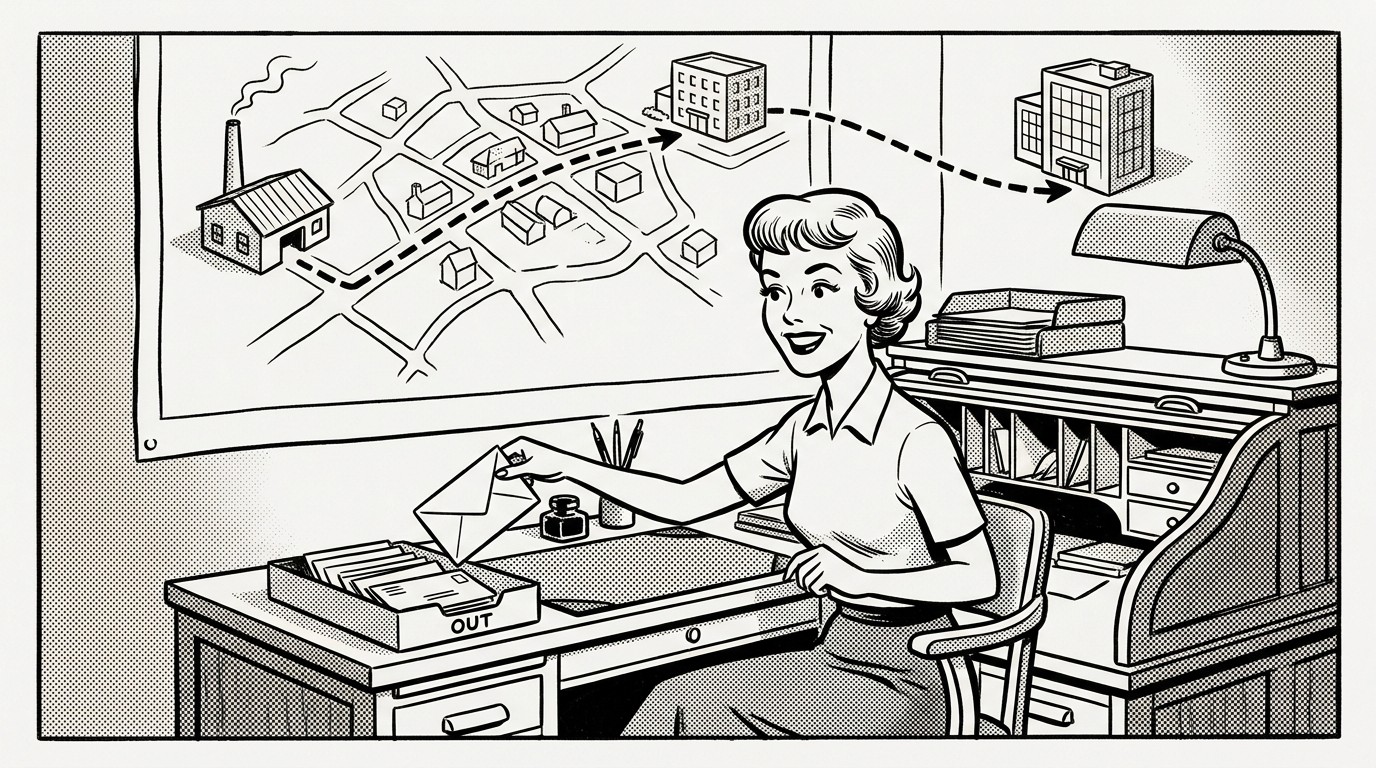
When you start factoring, we send your customer a letter. It tells them to send your payments to us instead of to you.
We call it a first-time purchase letter. The industry calls it a Notice of Assignment. Most guys call it “that letter you send my customer,” and it’s the part they…
Honest Answers from American Commercial Capital
Most advice about starting a B2B business with no money skips the hard part. It tells you to “bootstrap,” “hustle,” and “find investors.” Two of those are useful. The third one costs you the thing you started the business to get in the first place.
Here’s the honest answer: you can start a B2B business with no money — or close…



HOW MUCH COULD FACTORING INCREASE PROFITS FOR YOUR BUSINESS?
CALL 713-227-3863