AMCOMCAP.COM BLOG
WORDS OF WISDOM FOR ENTREPRENEURS & BUSINESS OWNERS

Hot shot hauling is one of the fastest ways to put a truck to work, but it comes with a built-in cash flow trap: you pay for fuel, insurance, and your truck note in real time, while brokers and shippers pay you on their schedule. Invoice factoring closes that gap. Here is exactly how the process works for a small hot shot operation.
Running hot shot loads means hauling smaller, time-sensitive freight, usually with a one-ton dually and a gooseneck or flatbed, to oilfield sites, construction yards, farms, and equipment dealers. The work is steady when you have authority and a load board, but the money rarely arrives when you need it.
Most brokers and direct shippers pay on net-30, net-45, or even net-60 terms. Meanwhile, your costs don’t wait:
One slow-paying broker can mean turning down a profitable load simply because you don’t have the fuel money to take it. That is the exact problem factoring is built to solve.
Factoring is not a loan. You are selling an asset you already own, your unpaid freight invoice, to a factoring company at a small discount. Instead of waiting 30 to 60 days for the broker to pay, you get the bulk of the invoice in your account within a day or two of delivery. The factor then waits to collect from the broker and takes on the job of chasing that payment.
Because it isn’t debt, factoring doesn’t show up as a liability on your books, and approval is based on your customers’ credit, not your personal credit score or how long you’ve held your authority. For a newer hot shot operator who can’t yet qualify for a traditional bank line, that distinction matters.
You start with a short application: basic information on your trucking business, your authority, and the brokers or shippers you typically haul for. There’s no mountain of financial statements. A good factor can usually get a small hot shot operation approved and set up within a few business days, sometimes faster.
This surprises a lot of first-time clients. Since the factor is going to collect from your customer, the factor evaluates their creditworthiness. For freight, that usually means confirming the broker is properly bonded and pays its carriers reliably. The upside for you: a strong customer base can get you approved even if your own credit is thin or your authority is brand new.
You run the load exactly like you always do. The only change is on the back end. To factor an invoice, you submit:
Clean, complete paperwork is the single biggest factor in how fast you get funded. Submit it from the road by phone photo or upload and you keep the money moving.
Once your documents check out, the factor advances the large majority of the invoice value, typically in the 90% to 97% range depending on your arrangement, straight to your bank account. For a hot shot operator, that means the fuel and the truck note are covered before the broker has even opened your invoice.
One thing worth knowing if you’ve been reading up on factoring generally: freight advances higher than almost any other industry. Our general invoice factoring program advances up to 80%, and that’s about what a staffing agency, machine shop, or manufacturer sees. Freight is the exception. The loads are short-cycle, the paperwork is standardized, and broker credit is straightforward to check — so the advance sits well above what most industries are quoted. If you’ve seen 80% mentioned elsewhere and wondered why a freight quote looks different, that’s the reason.
This is the part that gives you your time back. The factoring company sends the invoice to the broker, follows up, and handles collection on the agreed terms. You’re not making collection calls between loads or wondering whether a broker forgot you. You’re driving.
When the broker pays, the factor releases the small portion held back at funding, the reserve, minus the factoring fee. So you receive your money in two pieces: the big advance up front, and the reserve once the invoice clears.
Factoring agreements come in two flavors, and it’s worth understanding which one you’re signing:
For hot shot operators hauling for a rotating list of brokers found on load boards, non-recourse coverage on credit-approved customers can be real peace of mind. Read the agreement carefully so you know what is and isn’t covered.
Factoring fees are quoted as a percentage of the invoice, generally in the low single digits, and the exact rate depends on your monthly volume, your customers’ payment terms, and whether you choose recourse or non-recourse. Higher volume and faster-paying brokers earn better rates.
When you compare offers, look past the headline rate at the full picture: advance percentage, whether there are setup, monthly minimum, ACH, or termination fees, and whether the contract locks you in long term. A clean, transparent fee structure often beats a flashy low rate buried in add-ons.
Beyond the advance itself, many freight factors offer services that fit the hot shot lifestyle:
The mechanics of factoring are similar everywhere. The difference is the company you’re working with. For a small hot shot operation, look for:
At American Commercial Capital, we’ve worked with small Texas trucking businesses since 1993, including operators running freight throughout the Greater Houston area, East Texas, the Permian Basin, and the Eagle Ford. We keep the process simple, the advances fast, and the people on the other end of the line ones who actually know your name.
If slow-paying loads are holding your hot shot business back, factoring can put that money to work the day you deliver. Get a free, no-obligation quote and see what your invoices are worth today. Call us at 713-227-3863 or request your free quote online


Short answer: For most small businesses with a gross margin above roughly 20%, invoice factoring pays for itself — not because the fee is small, but because the fee is a variable cost that buys sales volume. A machine shop doing $1.2 million a year at a 28% gross margin can add $600,000 in sales, absorb a 4% factoring fee, and still finish the year with roughly 80% more…
Part of our Honest Answers series — straight talk about financing a growing business.
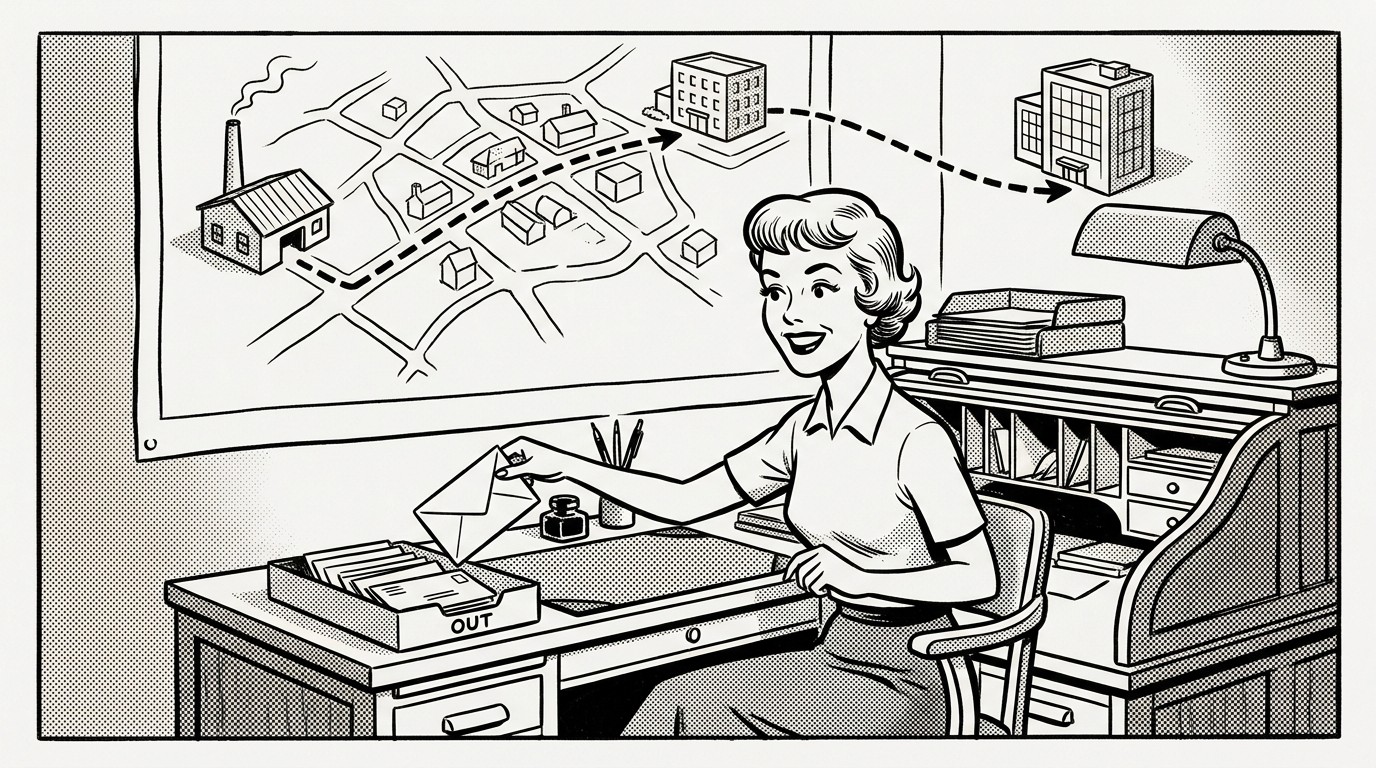
When you start factoring, we send your customer a letter. It tells them to send your payments to us instead of to you.
We call it a first-time purchase letter. The industry calls it a Notice of Assignment. Most guys call it “that letter you send my customer,” and it’s the part they…
Honest Answers from American Commercial Capital
Most advice about starting a B2B business with no money skips the hard part. It tells you to “bootstrap,” “hustle,” and “find investors.” Two of those are useful. The third one costs you the thing you started the business to get in the first place.
Here’s the honest answer: you can start a B2B business with no money — or close…



HOW MUCH COULD FACTORING INCREASE PROFITS FOR YOUR BUSINESS?
CALL 713-227-3863