AMCOMCAP.COM BLOG
WORDS OF WISDOM FOR ENTREPRENEURS & BUSINESS OWNERS

No. And if you’ve been turned down by a bank because of your credit, this is probably the most important thing you’ll read about factoring: it can work because of how it’s structured, not in spite of your credit.
Here’s why — When a bank lends you money, it’s betting on you to pay it back, so your credit score, history, and financials are everything. Factoring flips that. You’re not borrowing — you’re selling an invoice. The money that ultimately repays the advance comes from your customer, not from you. So, the factor’s main concern is whether your customers are creditworthy and pay their bills, not whether your personal FICO score is pristine.
This is genuinely good news for a lot of owners. If you’ve been through a rough patch like personal bankruptcy, a tax lien, or a thin credit file because your business is new, those events don’t disqualify you from factoring even though they might sink a traditional bank loan. What matters most is that you’re invoicing solid, reputable customers who pay reliably.
It’s especially good news if you’re just getting going — yes, a startup can use invoice factoring too.
That said, “perfect credit not required” isn’t the same as “credit completely ignored.” A factor may still glance at your background as part of overall due diligence, and certain serious issues — like unresolved tax liens or existing liens on your receivables — can complicate things, since the factor needs a clear claim on the invoices it’s buying. But these are usually workable, not automatic deal-breakers, and a good factor will tell you straight what needs sorting out.
The owners who benefit most from this are exactly the ones banks tend to overlook: young companies without years of financial history, businesses recovering from a hard stretch, and entrepreneurs whose personal credit took a hit while they were getting the business off the ground.
So, if bad credit has been the thing standing between you and the cash flow you need, factoring is worth a serious look. Bring your customers’ reputation to the table — that’s the credit that counts here.

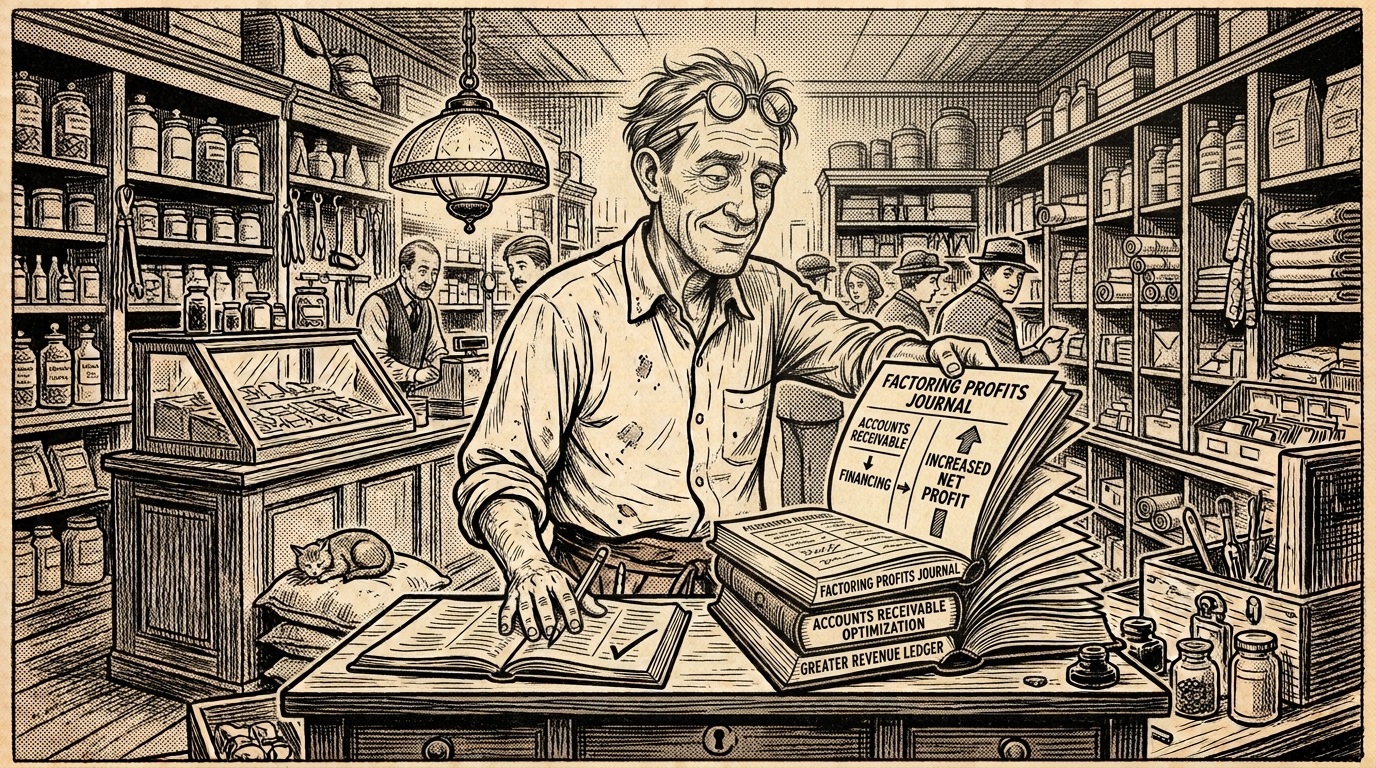
Short answer: For most small businesses with a gross margin above roughly 20%, invoice factoring pays for itself — not because the fee is small, but because the fee is a variable cost that buys sales volume. A machine shop doing $1.2 million a year at a 28% gross margin can add $600,000 in sales, absorb a 4% factoring fee, and still finish the year with roughly 80% more…
Part of our Honest Answers series — straight talk about financing a growing business.
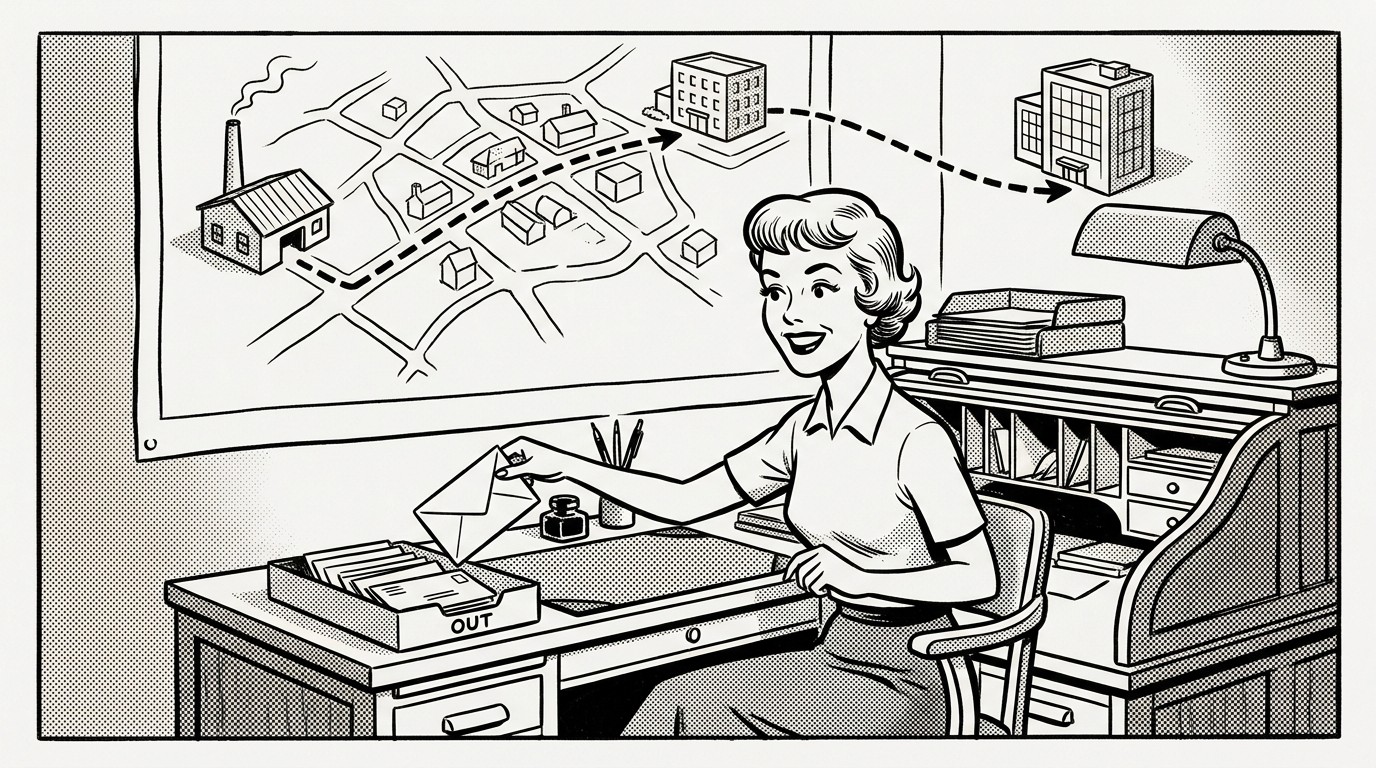
When you start factoring, we send your customer a letter. It tells them to send your payments to us instead of to you.
We call it a first-time purchase letter. The industry calls it a Notice of Assignment. Most guys call it “that letter you send my customer,” and it’s the part they…
Honest Answers from American Commercial Capital
Most advice about starting a B2B business with no money skips the hard part. It tells you to “bootstrap,” “hustle,” and “find investors.” Two of those are useful. The third one costs you the thing you started the business to get in the first place.
Here’s the honest answer: you can start a B2B business with no money — or close…



HOW MUCH COULD FACTORING INCREASE PROFITS FOR YOUR BUSINESS?
CALL 713-227-3863