AMCOMCAP.COM BLOG
WORDS OF WISDOM FOR ENTREPRENEURS & BUSINESS OWNERS

Most owners think about cash flow the way they think about oxygen. You only notice it when it’s running short. When money’s tight, cash flow is the only thing on your mind. When money’s flowing, you stop thinking about it and go back to running the business.
I’ve spent more than thirty years watching small businesses either make it or fold, and I’ll tell you what almost nobody talks about: the biggest advantage isn’t having cash. It’s knowing when it’s going to show up.
Predictability is the part nobody puts a value on. It doesn’t appear as a line item on your P&L. You can’t point to it on a bank statement. But it quietly shapes almost every decision you make — and the businesses that have it end up more profitable than the ones that don’t, even when the two look identical on paper.
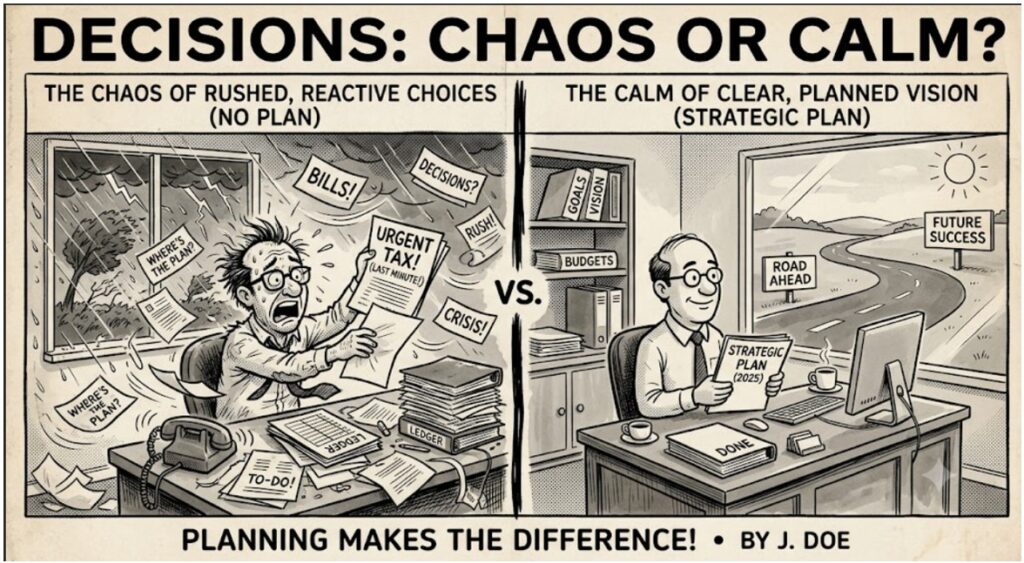
Here’s where that hidden value actually shows up.
When you know exactly what’s landing in your account and when, you get to buy on your terms instead of theirs.
Your suppliers offer discounts for early payment for a reason — they want their cash fast too. A common one is “2/10 net 30”: take 2% off if you pay within ten days instead of thirty. That sounds small. It isn’t. When your cash is predictable enough to catch those early-pay terms, that 2% discount can go a long way toward defraying the cost of factoring — in many cases offsetting a meaningful share of it. Buy materials in volume, catch those early-pay terms, and you’re widening your margin on every single job before you’ve done a thing differently.
The company with lumpy, unpredictable cash can’t play that game. They pay late, they pay full price, and they never see the discount. Same product, same vendor — worse margin. That gap goes straight to the bottom line, and it compounds every month.
Desperation is expensive. When you don’t know if Friday’s payroll is covered, you do things you know better than to do. You knock 10% off to close a deal this week. You take the rush job at a thin rate because you need the deposit. You say yes to the customer who always pays slow because turning down revenue feels impossible.
Predictable cash flow buys you the one thing that protects your pricing: the ability to walk away. When you’re not chasing this week’s shortfall, you hold your rate. You let the bad-fit customer go to a competitor. You quote what the work is actually worth.
Profit is an opinion until it’s collected — but pricing discipline is where a lot of that profit is won or lost, and you can only be disciplined when you’re not scared.
Growth costs money before it makes money. Say you run a staffing firm and a great client offers you a contract that doubles your placements. Wonderful — except you have to make payroll every week for those new people while the client takes 45 or 60 days to pay you. That gap is where good companies choke.
If your cash flow is unpredictable, you either turn the work down or take it and pray. Neither one is how you build a business. When your incoming cash is steady and reliable, you can look at that big contract and know, with actual numbers, that you can fund it. You bid with confidence. You take on the work your competitor was too nervous to touch. Predictability is what lets you grow on purpose instead of by accident.
Some of the most expensive mistakes I’ve watched owners make weren’t bad strategy. They were bad timing — decisions made in a corner, under pressure, with a bill due.
Selling equipment you’ll need again in three months. Taking a merchant cash advance at an effective rate that would make a loan shark blush. Firing a good person you spent two years training because this one month looked ugly. None of those are decisions anyone makes with a full tank. They’re what happens when the runway runs out and you can’t see what’s coming.
Predictable cash flow gives you a clear line of sight down the road. You see the slow month before it arrives, and you plan for it instead of reacting to it. The absence of panic doesn’t show up on any statement — but the money you don’t light on fire absolutely does.
Making payroll on time is the promise you make every week whether you have a good month or a bad one. Miss it once and something breaks that’s very hard to fix — your best people start keeping an eye on the door.
When your cash is predictable, payroll stops being a source of dread and becomes a non-event. You hire a little ahead of the growth instead of scrambling behind it. Your team feels the steadiness, even if they never see the books. And steady teams do better work, stay longer, and cost you far less in turnover and retraining than a revolving door ever will. That stability is a profit driver hiding in plain sight.
Here’s the quiet compounding one. When you pay vendors on time, every time, you build a reputation. Your suppliers extend you better terms. Your credit profile improves. The bank that said “not yet” two years ago starts returning your calls.
Reliable businesses earn access to cheaper money — and cheaper money means more of every dollar you earn stays yours. Unpredictable businesses pay a premium for capital precisely when they can least afford it. Predictability, over a few years, literally lowers what it costs you to operate.
Add these up — the early-pay discounts, the pricing discipline, the contracts you were able to accept, the panic moves you avoided, the team you kept, the cheaper capital you earned — and you’re looking at a materially more profitable company. Not because it sold more. Because it was never operating from a position of weakness.
That’s the part the spreadsheets miss. Two businesses can post the same revenue and the same “profit” on paper, and the one with predictable cash flow will simply keep more of it. Predictability isn’t a nice-to-have. It’s an edge.
The catch, of course, is that most small businesses don’t get to choose when their customers pay. Your terms say net 30; your customer pays in 50. That’s the gap that turns a profitable company into a stressed one.
Closing that gap is exactly what invoice factoring does. Instead of waiting weeks for a customer to pay, you get most of the invoice — often up to 80% — within about 24 hours of sending it. Your cash flow stops depending on when your customers feel like paying and starts running on a schedule you can actually plan around. That’s the predictability everything above is built on.
If your profit looks fine on paper but your cash never seems to line up with your obligations, that’s the problem worth solving. I’m happy to talk it through — no pressure, no jargon.
Roy Brooks — American Commercial Capital, LLC Call 713-227-3863 or get a free, no-obligation quote at amcomcap.com/free-quote.

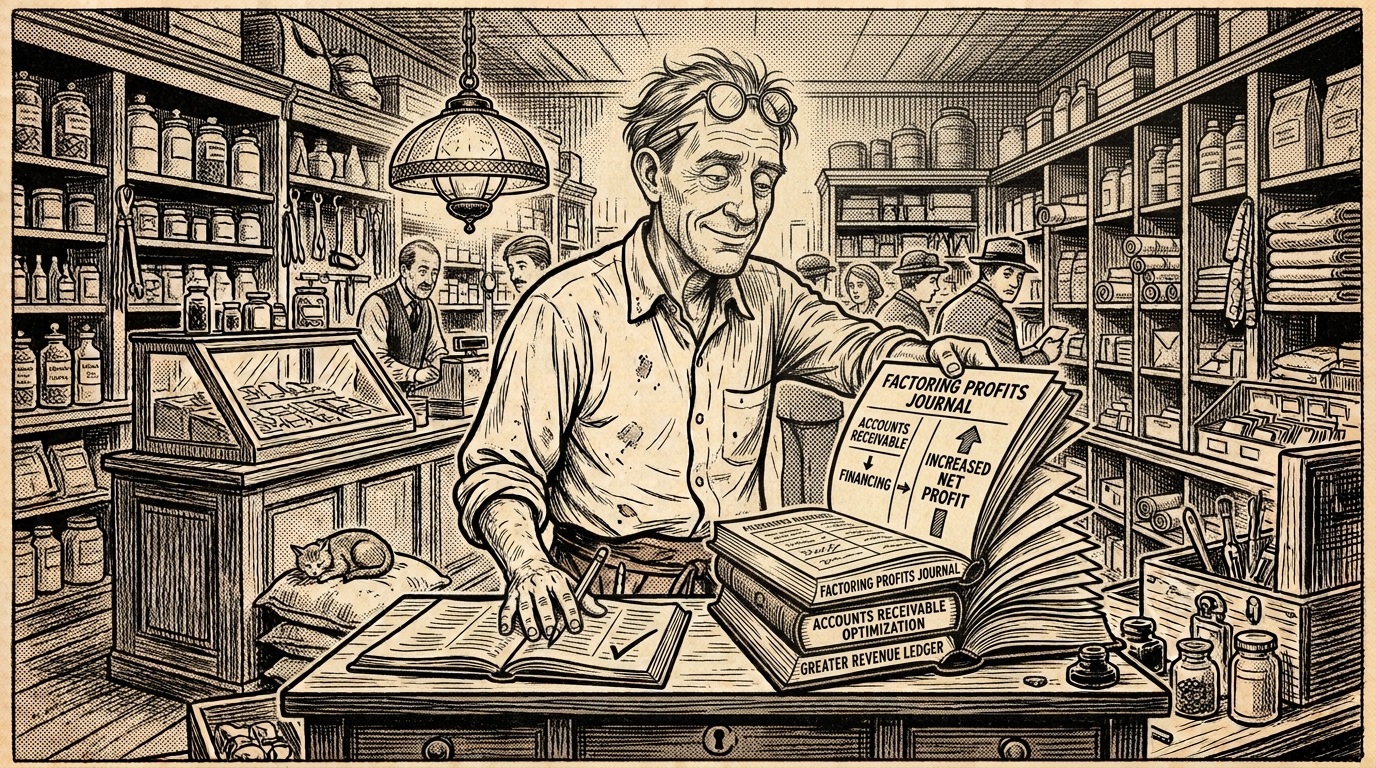
Short answer: For most small businesses with a gross margin above roughly 20%, invoice factoring pays for itself — not because the fee is small, but because the fee is a variable cost that buys sales volume. A machine shop doing $1.2 million a year at a 28% gross margin can add $600,000 in sales, absorb a 4% factoring fee, and still finish the year with roughly 80% more…
Part of our Honest Answers series — straight talk about financing a growing business.
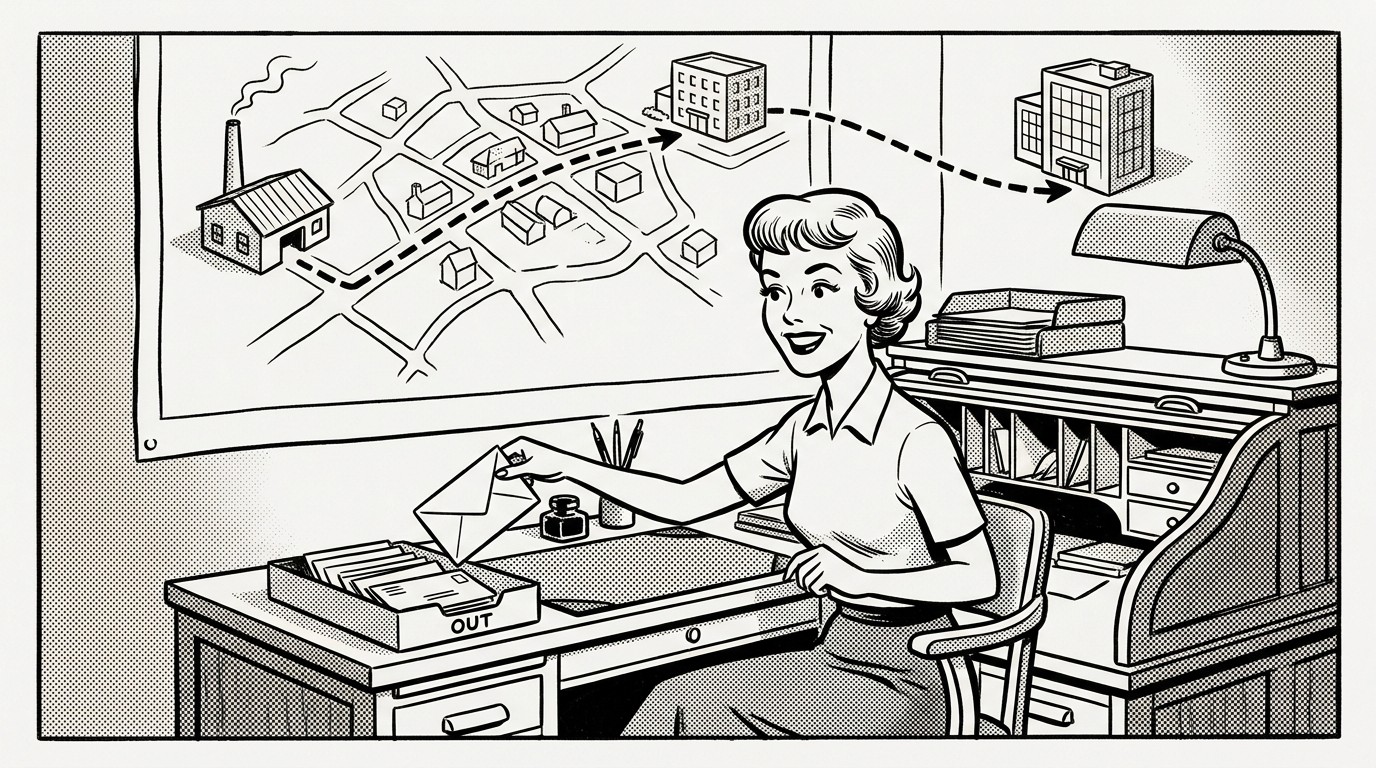
When you start factoring, we send your customer a letter. It tells them to send your payments to us instead of to you.
We call it a first-time purchase letter. The industry calls it a Notice of Assignment. Most guys call it “that letter you send my customer,” and it’s the part they…
Honest Answers from American Commercial Capital
Most advice about starting a B2B business with no money skips the hard part. It tells you to “bootstrap,” “hustle,” and “find investors.” Two of those are useful. The third one costs you the thing you started the business to get in the first place.
Here’s the honest answer: you can start a B2B business with no money — or close…



HOW MUCH COULD FACTORING INCREASE PROFITS FOR YOUR BUSINESS?
CALL 713-227-3863