AMCOMCAP.COM BLOG
WORDS OF WISDOM FOR ENTREPRENEURS & BUSINESS OWNERS

A factor needs three things from you: basic business documentation (formation documents, EIN, bank account, ownership details), information about the customers you want to factor — who they are, their billing contacts, your payment terms with them — and a current accounts receivable aging report. Your customers’ information is the part that matters most, since their credit is what drives approval. The list is shorter than a bank’s, but being organized still gets you funded faster.
Here’s what a factor will typically ask for about your business:
About your customers (this is the important part):
About your receivables:
Possible additional items, depending on the factor and your situation:
For some arrangements, basic financial statements — though factoring requires far less financial documentation than a loan.
The reason the list is lighter than a bank’s is the same reason factoring is fast and accessible: the factor is underwriting your customers and your invoices, not running a deep examination of your company’s finances and your personal credit history.
A practical tip: assemble a simple folder before you apply — formation docs, a sample invoice, your AR aging report, and a clean list of customers. Having those ready can be the difference between funding this week and next. And don’t hesitate to ask the factor exactly what they need; a good one will give you a clear, short checklist rather than a mountain of paperwork.

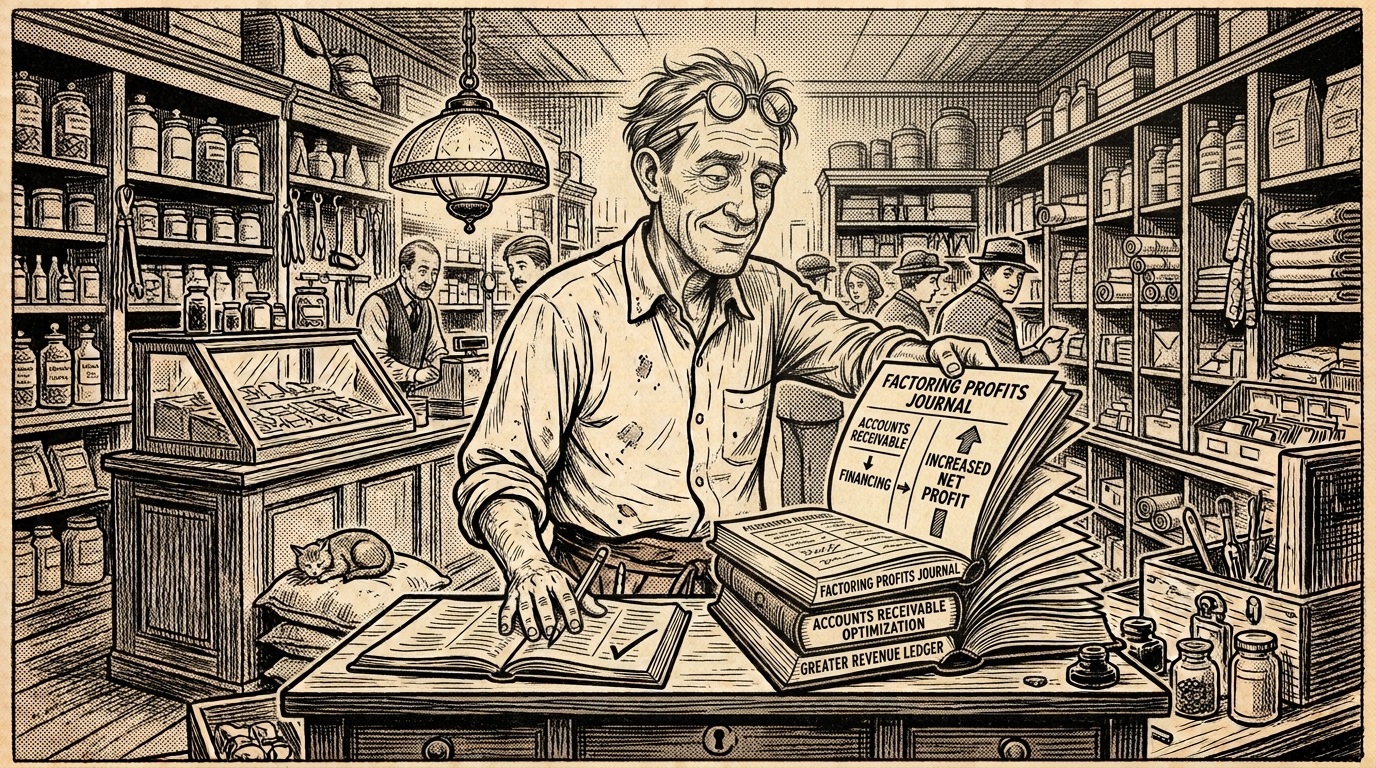
Short answer: For most small businesses with a gross margin above roughly 20%, invoice factoring pays for itself — not because the fee is small, but because the fee is a variable cost that buys sales volume. A machine shop doing $1.2 million a year at a 28% gross margin can add $600,000 in sales, absorb a 4% factoring fee, and still finish the year with roughly 80% more…
Part of our Honest Answers series — straight talk about financing a growing business.
When you start factoring, we send your customer a letter. It tells them to send your payments to us instead of to you.
We call it a first-time purchase letter. The industry calls it a Notice of Assignment. Most guys call it “that letter you send my customer,” and it’s the part they…
Honest Answers from American Commercial Capital
Most advice about starting a B2B business with no money skips the hard part. It tells you to “bootstrap,” “hustle,” and “find investors.” Two of those are useful. The third one costs you the thing you started the business to get in the first place.
Here’s the honest answer: you can start a B2B business with no money — or close…



HOW MUCH COULD FACTORING INCREASE PROFITS FOR YOUR BUSINESS?
CALL 713-227-3863