AMCOMCAP.COM BLOG
WORDS OF WISDOM FOR ENTREPRENEURS & BUSINESS OWNERS

When your customer pays the invoice, the factor releases your reserve — the portion that wasn’t advanced up front — minus the factoring fee, and the invoice is closed. On a $10,000 invoice where you received $8,000 upfront and the fee was $300, you’d get approximately $1,700 more for the invoice, ultimately collecting $9,700 of the $10,000. Knowing what happens at the end takes the mystery out of factoring and helps you reconcile your books cleanly.
It also helps to know you’re not locked in — you can pick and choose which invoices to factor.
Remember the two pieces of money in factoring: the advance you received upfront (up to 80% of the invoice), and the reserve that was held back (the balance). The reserve has been sitting there, waiting for this moment.
When your customer pays the invoice — sending payment to the factor, as instructed — the cycle completes in a few clean steps:
In the example above, the $300 is simply the cost of getting the bulk of your money weeks early rather than waiting out the customer’s payment terms.
The invoice is now fully settled, your reserve is reconciled, and that transaction is done. You move on to the next invoice, and the cycle repeats.
The exact timing of when your reserve is released can depend on your agreement — some factors release it as soon as the payment clears, others on a set schedule. Ask so you can plan your cash flow.
That’s the back end; if you’re wondering about the front end, here’s how fast you can get cash from factoring.
Also, if a fee was tiered (increasing the longer the invoice stayed unpaid), the final fee depends on how long your customer took to pay — another reason faster-paying customers are cheaper to factor.
For your bookkeeping, the clean way to think about it: the advance and the later reserve rebate together equal your invoice amount minus the fee. Keeping good records of each invoice’s advance, fee, and reserve release makes month-end reconciliation simple. A good factor provides clear statements that show exactly this for every invoice, so nothing is ever a black box.

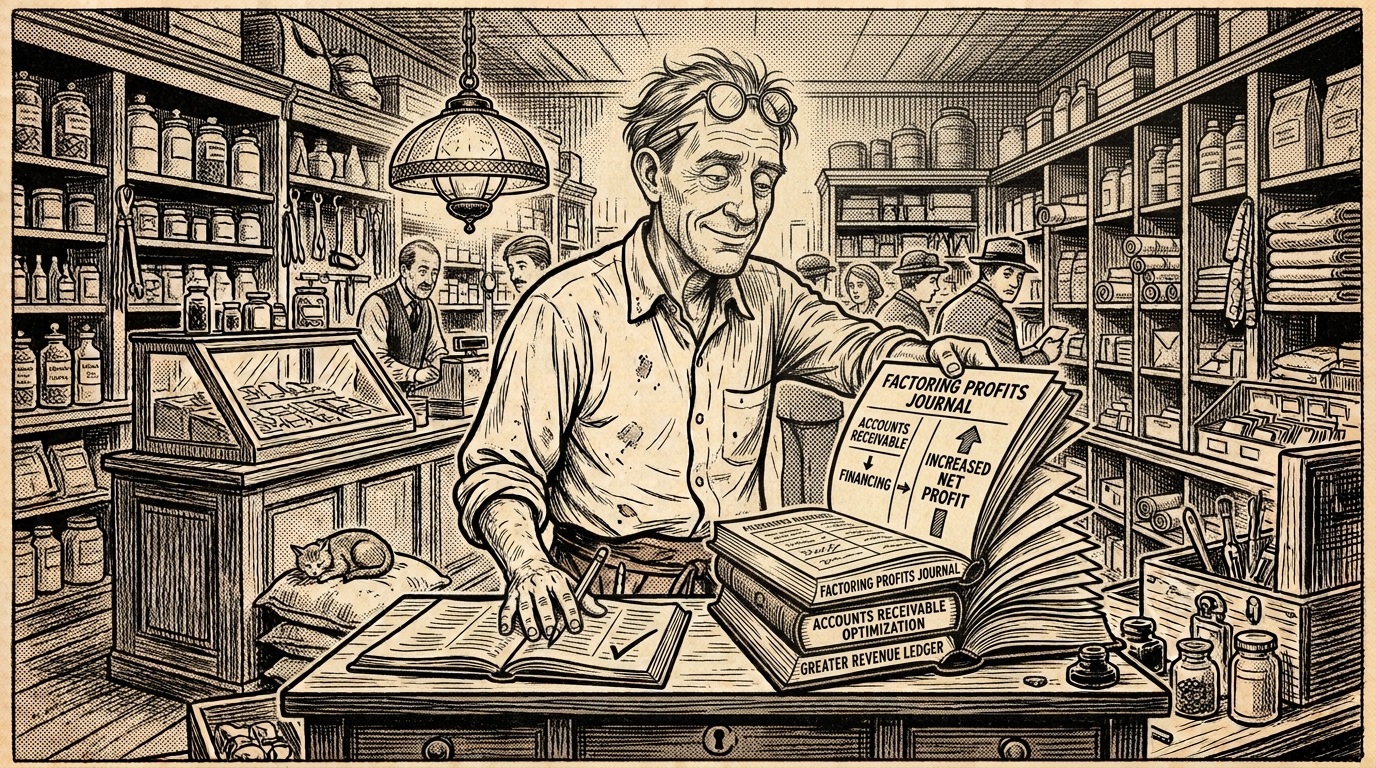
Short answer: For most small businesses with a gross margin above roughly 20%, invoice factoring pays for itself — not because the fee is small, but because the fee is a variable cost that buys sales volume. A machine shop doing $1.2 million a year at a 28% gross margin can add $600,000 in sales, absorb a 4% factoring fee, and still finish the year with roughly 80% more…
Part of our Honest Answers series — straight talk about financing a growing business.
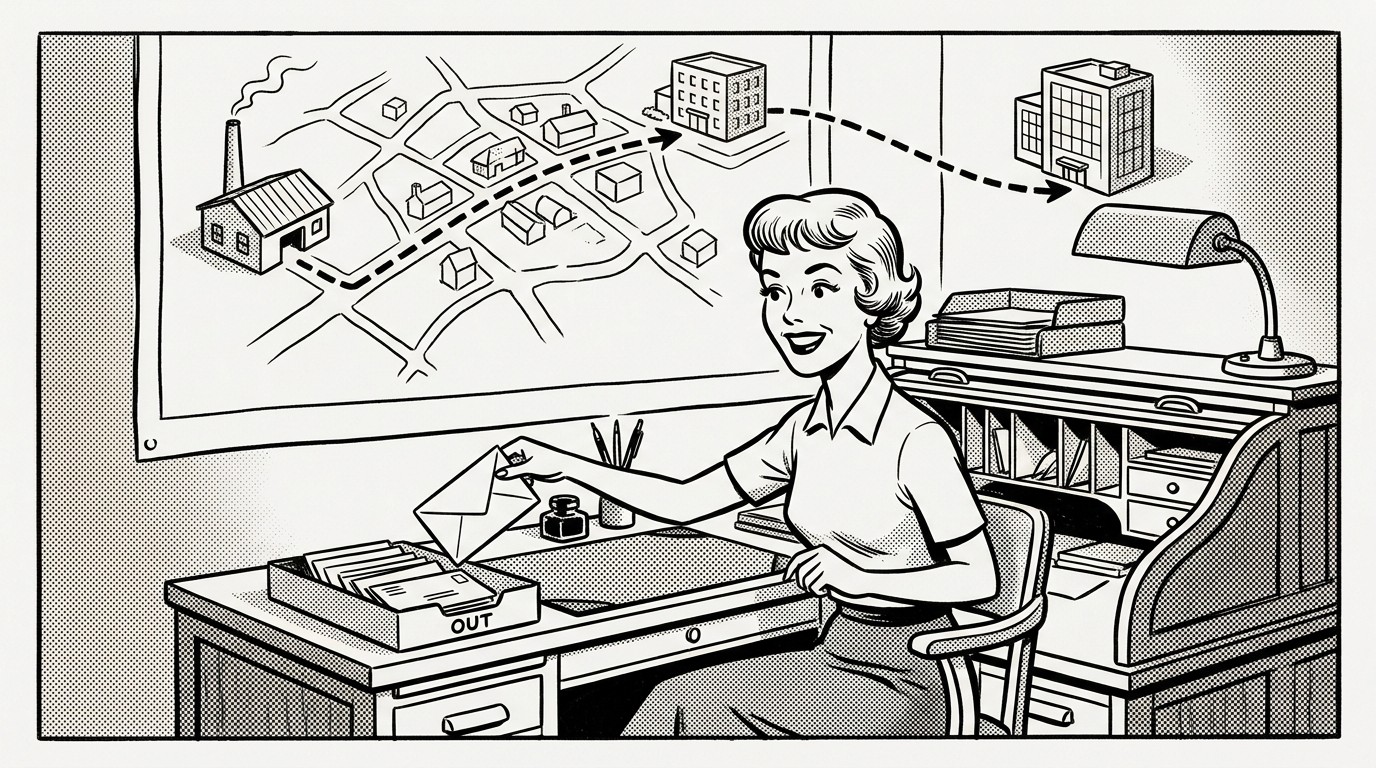
When you start factoring, we send your customer a letter. It tells them to send your payments to us instead of to you.
We call it a first-time purchase letter. The industry calls it a Notice of Assignment. Most guys call it “that letter you send my customer,” and it’s the part they…
Honest Answers from American Commercial Capital
Most advice about starting a B2B business with no money skips the hard part. It tells you to “bootstrap,” “hustle,” and “find investors.” Two of those are useful. The third one costs you the thing you started the business to get in the first place.
Here’s the honest answer: you can start a B2B business with no money — or close…



HOW MUCH COULD FACTORING INCREASE PROFITS FOR YOUR BUSINESS?
CALL 713-227-3863