AMCOMCAP.COM BLOG
WORDS OF WISDOM FOR ENTREPRENEURS & BUSINESS OWNERS

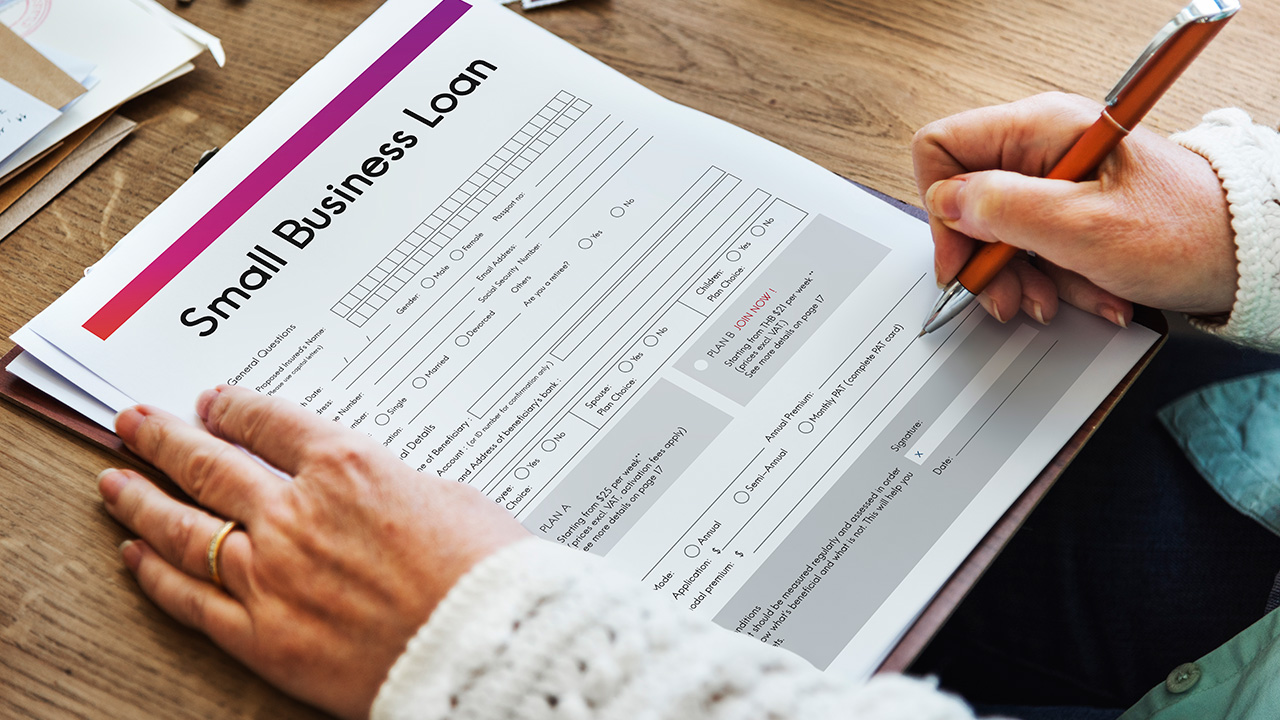
The optimism of small-business owners has taken a bit of a dive in the second quarter of 2015. According to SCORE, lower revenues and tighter credit are the primary reasons behind this growing discouragement. With small businesses being approved for bank loans “less than half of the time,” it may be time for small-business owners to seriously consider alternate sources of funding.
Invoice factoring is a great alternate source of funding to fuel small-business cash flow, but of course we’re biased. American Commercial Capital, LLC, has been giving Houston-area small businesses cash-flow funding via invoice factoring since 2003, empowering many to succeed and grow without traditional bank loans.
It’s something to think about, at least, as getting a small-business loan becomes increasingly difficult.
A few interesting facts:
Click here to see SCORE’s infographic about small-biz optimism and financing trends in 2015.


Short answer: For most small businesses with a gross margin above roughly 20%, invoice factoring pays for itself — not because the fee is small, but because the fee is a variable cost that buys sales volume. A machine shop doing $1.2 million a year at a 28% gross margin can add $600,000 in sales, absorb a 4% factoring fee, and still finish the year with roughly 80% more…
Part of our Honest Answers series — straight talk about financing a growing business.
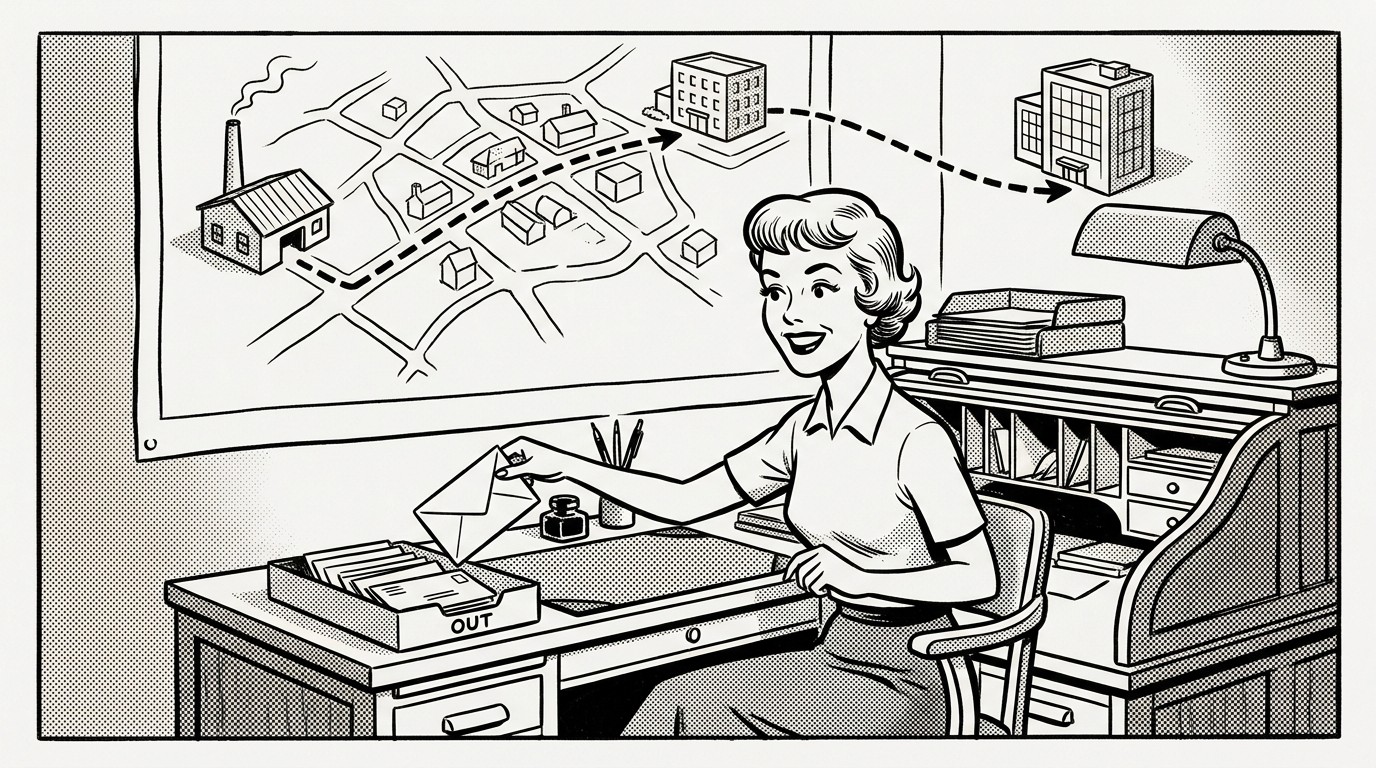
When you start factoring, we send your customer a letter. It tells them to send your payments to us instead of to you.
We call it a first-time purchase letter. The industry calls it a Notice of Assignment. Most guys call it “that letter you send my customer,” and it’s the part they…
Honest Answers from American Commercial Capital
Most advice about starting a B2B business with no money skips the hard part. It tells you to “bootstrap,” “hustle,” and “find investors.” Two of those are useful. The third one costs you the thing you started the business to get in the first place.
Here’s the honest answer: you can start a B2B business with no money — or close…



HOW MUCH COULD FACTORING INCREASE PROFITS FOR YOUR BUSINESS?
CALL 713-227-3863