AMCOMCAP.COM BLOG
WORDS OF WISDOM FOR ENTREPRENEURS & BUSINESS OWNERS

It’s one of the most common worries I hear, and it’s completely understandable. When a third party starts receiving your customers’ payments, it can feel like you’re handing over the keys to your own company.
Here’s the reassuring truth: factoring changes how you get paid — not how you run your business. You keep full control.
Let’s be precise about the scope. A factor buys specific invoices and collects on them. That’s it.
A factor does not:
This is the key difference between a factor and an equity investor. An equity investor literally owns a piece of your business and may want a say in how it’s run. A factor is simply a service provider you’re paying to advance cash against your receivables.
You keep control of the things that actually shape your business:
The factor’s job is narrow: turn your invoices into cash, faster. Everything else stays with you.
In my experience, the worry usually traces back to two specific things — and both are manageable.
1. Collections. Because the factor now owns the invoices, the factor will contact your customers about payment. A reputable factor does this professionally and protects your relationships — after all, they’re representing you to your customers. That’s exactly why it’s worth choosing a factor whose collections approach you’re comfortable with. It starts with the notice we send your customer — one page telling them where to send payment.
2. Which invoices you factor. Depending on your agreement, you may be able to choose which invoices to factor — selective or “spot” factoring — rather than committing all of them. If keeping that flexibility matters to you, look for an agreement that allows it.
Here’s the counterintuitive piece. When you’re not constantly scrambling for cash, you can make decisions from a position of strength. That means you can:
An empty bank account forces you into corners. Steady cash flow lets you operate on your own terms — which is the opposite of losing control.
No, you don’t surrender control when you factor. You stay the owner and the operator of your business. You’re just getting paid sooner.
This is part of our Honest Answers series — straight talk about how factoring really works, from someone who’s been in the industry since 1993. Have a question you’d like a candid answer to? Get in touch and ask.


Short answer: For most small businesses with a gross margin above roughly 20%, invoice factoring pays for itself — not because the fee is small, but because the fee is a variable cost that buys sales volume. A machine shop doing $1.2 million a year at a 28% gross margin can add $600,000 in sales, absorb a 4% factoring fee, and still finish the year with roughly 80% more…
Part of our Honest Answers series — straight talk about financing a growing business.
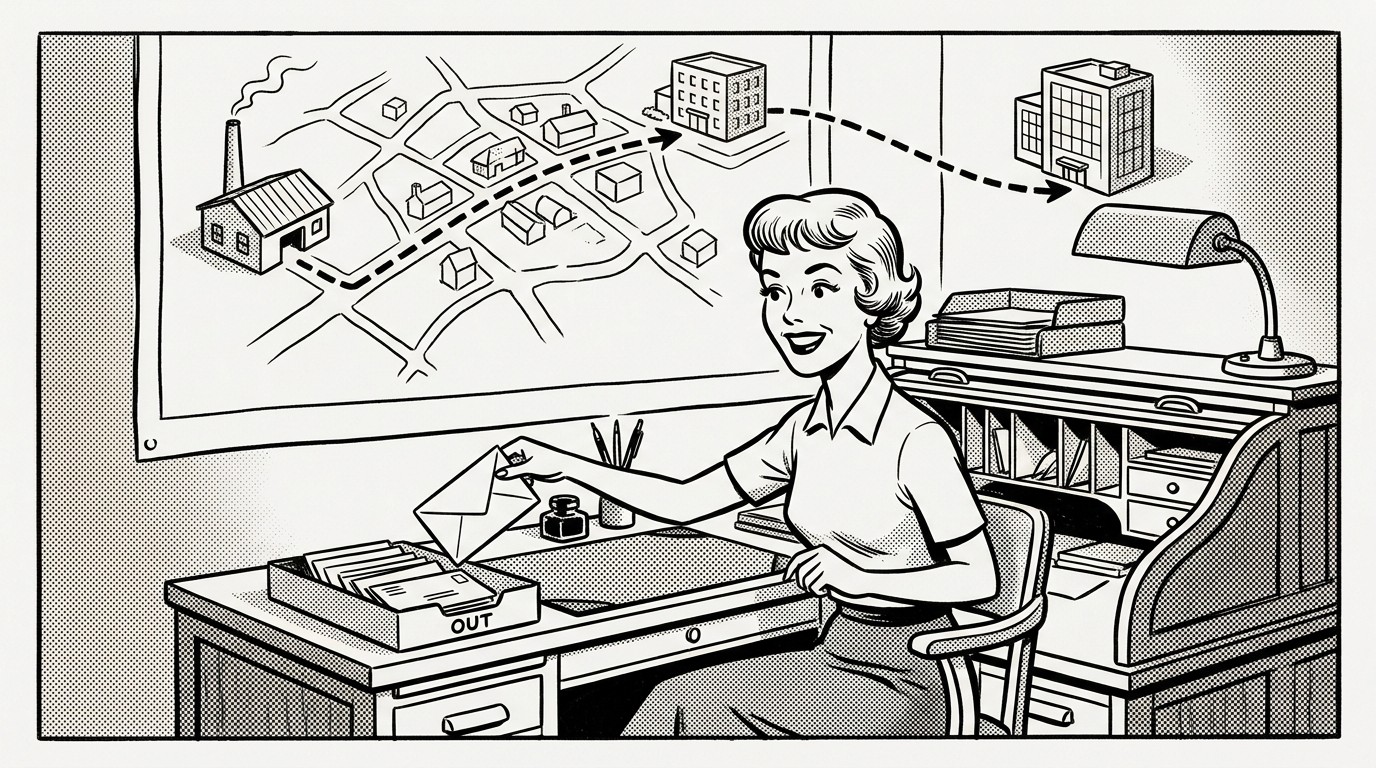
When you start factoring, we send your customer a letter. It tells them to send your payments to us instead of to you.
We call it a first-time purchase letter. The industry calls it a Notice of Assignment. Most guys call it “that letter you send my customer,” and it’s the part they…
Honest Answers from American Commercial Capital
Most advice about starting a B2B business with no money skips the hard part. It tells you to “bootstrap,” “hustle,” and “find investors.” Two of those are useful. The third one costs you the thing you started the business to get in the first place.
Here’s the honest answer: you can start a B2B business with no money — or close…



HOW MUCH COULD FACTORING INCREASE PROFITS FOR YOUR BUSINESS?
CALL 713-227-3863