AMCOMCAP.COM BLOG
WORDS OF WISDOM FOR ENTREPRENEURS & BUSINESS OWNERS

After more than three decades in the factoring business, I’ve heard just about every reason a business owner can come up with for why factoring “won’t work” for them. More often than not, those reasons trace back to a handful of misunderstandings about how factoring actually works — not to anything about the owner’s business.
Factoring is one of the most flexible financing tools available to a B2B company, but its reputation hasn’t always kept up with reality. Let’s clear up a few of the misconceptions I run into most.
“The bank turned me down, so a factor will too.”
Banks and factoring companies aren’t looking at the same things, so a “no” from one doesn’t mean a “no” from the other.
A bank weighs your company’s balance sheet, your operating history, your profitability, and usually wants collateral on top of all that. A factor cares far more about whether your customers pay their bills. We underwrite the receivable, which means strong, reliable customers can carry the day even when your own financials are still thin or uneven.
The paperwork reflects that difference. To get started, we mainly need your invoices and the backup that goes with them. Businesses that don’t fit a traditional bank line of credit routinely qualify for factoring and get the working capital they need to keep operating and growing.
“Factoring isn’t an option for a brand-new company.”
Plenty of startups assume financing is off the table until they’ve got a couple of years of tax returns behind them. With factoring, that’s not the case.
Factoring is built on the strength of your customers’ credit, not the length of your own track record. If you’re invoicing solid, creditworthy companies, you can turn those invoices into working capital from day one — which is exactly when a young business needs cash the most.
Just as important, factoring doesn’t cost you ownership. You’re advancing money you’ve already earned, not selling off a piece of your company to an investor. For a founder trying to hold on to equity in the early going, that’s a meaningful difference.
“If I factor, I have to factor everything.”
This one comes up constantly, and it’s flat wrong. Factoring is not an all-or-nothing arrangement.
You decide which invoices to factor. A lot of our clients only factor the accounts that drag — the customers who stretch payment out 45, 60, even 90 days — while continuing to collect the fast-paying accounts themselves. Others factor a single large customer and leave the rest of their book alone.
Factoring can also sit alongside a bank line rather than replace it. It’s common to carve out, or subordinate, specific receivables so a factoring facility and an existing line of credit work together. The point is that you build the arrangement around your cash flow, not the other way around.
The bottom line
Factoring is more flexible, more accessible, and more startup-friendly than most owners realize. If cash flow is the thing standing between you and your next job or your next hire, it’s worth a real conversation.
Roy Brooks and American Commercial Capital, we’ve been helping Texas businesses turn unpaid invoices into working capital since 1993. If you’d like to talk through whether factoring fits your situation, get a free, no-obligation quote at amcomcap.com.


Short answer: For most small businesses with a gross margin above roughly 20%, invoice factoring pays for itself — not because the fee is small, but because the fee is a variable cost that buys sales volume. A machine shop doing $1.2 million a year at a 28% gross margin can add $600,000 in sales, absorb a 4% factoring fee, and still finish the year with roughly 80% more…
Part of our Honest Answers series — straight talk about financing a growing business.
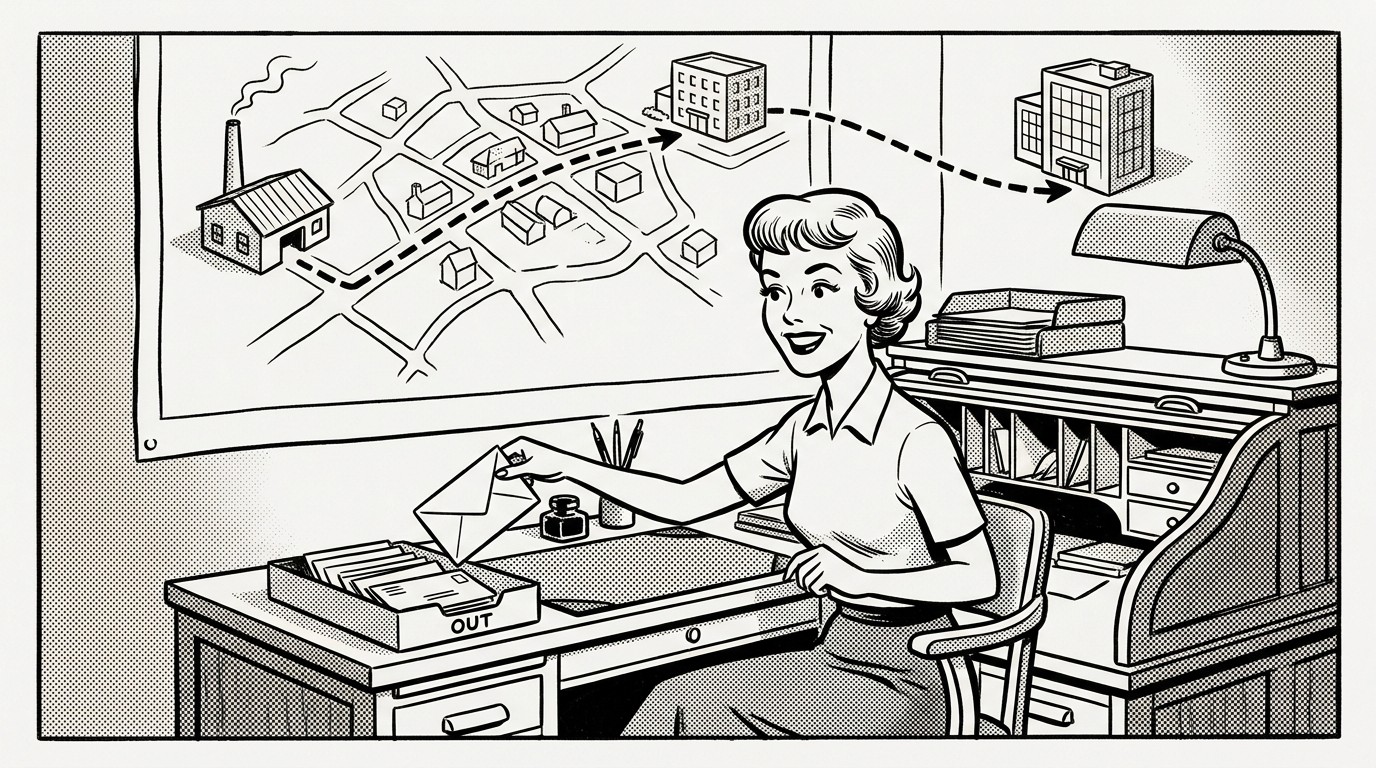
When you start factoring, we send your customer a letter. It tells them to send your payments to us instead of to you.
We call it a first-time purchase letter. The industry calls it a Notice of Assignment. Most guys call it “that letter you send my customer,” and it’s the part they…
Honest Answers from American Commercial Capital
Most advice about starting a B2B business with no money skips the hard part. It tells you to “bootstrap,” “hustle,” and “find investors.” Two of those are useful. The third one costs you the thing you started the business to get in the first place.
Here’s the honest answer: you can start a B2B business with no money — or close…



HOW MUCH COULD FACTORING INCREASE PROFITS FOR YOUR BUSINESS?
CALL 713-227-3863