4 Books Every Entrepreneur Should Read

If you have the go-go-go mindset of many entrepreneurs, it might be a struggle to find the time to sit down with a good book. But you owe it to yourself to soak up the advice of the business leaders and great entrepreneurial minds who have gifted us their wisdom in book form. At their best, these books can enlighten and inspire you, opening your eyes to new ways of thinking, working, and living. Here, then, are four books that every entrepreneur should read. They just might change your life and the way you do business.
How to Win Friends and Influence People
by Dale Carnegie
Dale Carnegie’s How to Win Friends and Influence People is practically an institution. First published in 1936, during the Great Depression, its success paved the way for the self-help market and it’s still valuable and influential today—maybe even essential. After all, this is the book that Warren Buffet says changed his life. Covering topics like Six Ways to Make People Like You, Twelve Ways to Win People to Your Way of Thinking, and How to Be a Leader, Carnegie’s classic tome is filled with timeless advice that has the power to inspire you to become the best version of you possible, in both your business and personal life.
The Lean Startup
by Eric Ries
Eric Ries introduced the “lean startup” method for businesses and products on his blog, which led to the bestselling book The Lean Startup: How Today’s Entrepreneurs Use Continuous Innovation to Create Radically Successful Businesses. The method, based upon the mantra “Build, Measure, Learn,” has been embraced by many Silicon Valley-based startups, but entrepreneurs in many different industries can learn a lot from the method and book. As Scott Cook, founder and CEO of Intuit, remarked, “This book is the guided tour of the key innovative practices used inside Google, Toyota, and Facebook, that work in any business.”
Rework
by Jason Fried & David Heinemeier Hansson
Rework is a great guide for startup entrepreneurs who don’t have an MBA or venture-capital funding—in other words, it’s for entrepreneurs who want to get creative. Written by Jason Fried and David Heinemeier Hansson of Basecamp/37signals fame, Rework delivers small-business entrepreneurial wisdom in spades, with creative, actionable advice that makes most business books seem stodgy and dull by comparison. Entrepreneur extraordinaire Mark Cuban said of the book: “If given a choice between investing in someone who has read Rework or has an MBA, I’m investing in Rework every time. A must read for every entrepreneur.”
Getting Everything You Can Out of All You’ve Got
by Jay Abraham
Boasting the subtitle 21 Ways You Can Out-Think, Out-Perform, and Out-Earn the Competition, Jay Abraham’s influential gem is designed to help you uncover wealth-building opportunities no matter where you are in your career or business venture. Abraham’s sterling advice on professional development is only exceeded by his tremendous insights about marketing. Best of all, these 21 Ways are actionable, so you can get started right away. What are you waiting for?

READ MORE FROM AMERICAN COMMERCIAL CAPITAL
How to Record Factoring Transactions and Keep Your Books Accurate
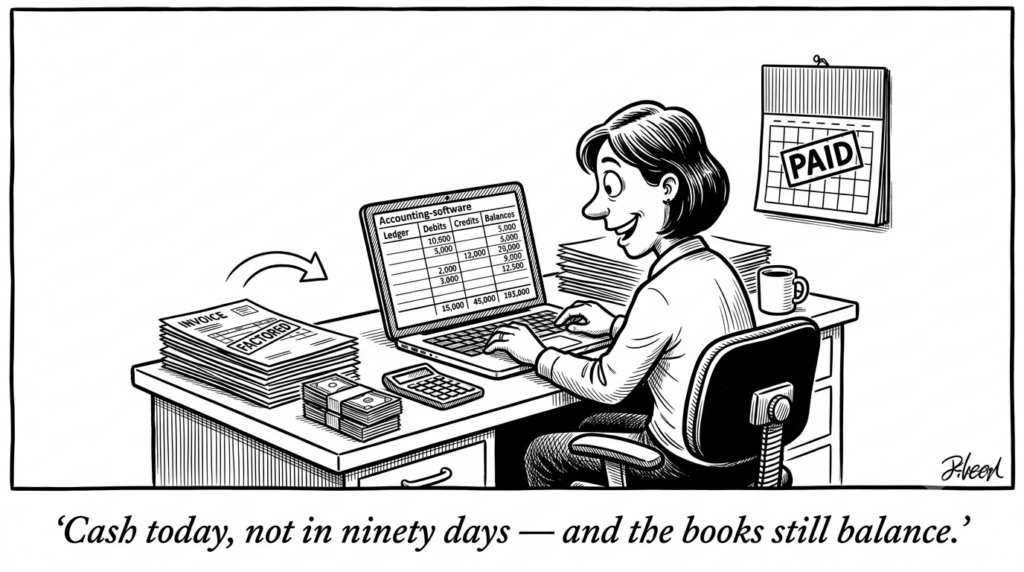
To record factoring transactions accurately, your books need to handle four things a standard accounts-receivable workflow was never built for: the factor’s advance, the withheld reserve, the fee, and the release of that reserve when your customer pays. This guide shows you how to record factoring transactions using three dedicated general-ledger accounts and four simple journal entries — and how to choose between the gross and net-of-discount methods of presenting…
Recourse vs. Non-Recourse Factoring: What’s the Difference, and Which One Is Right for You?
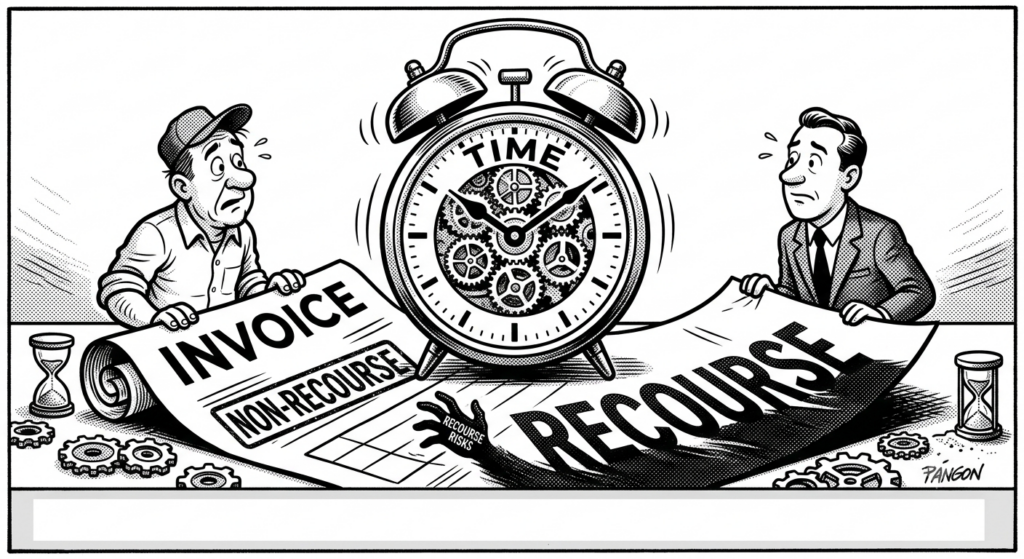
When business owners start looking into invoice factoring, two words come up fast: recourse and non-recourse. They sound like fine print, and plenty of owners nod along without really knowing which one they’re signing up for. But this is one of the most important choices in any factoring agreement, because it decides who eats the loss if your customer doesn’t pay. After decades of financing small businesses, I…
The Unseen Advantages of Predictable Cash Flow (And How They Quietly Grow Your Profit)
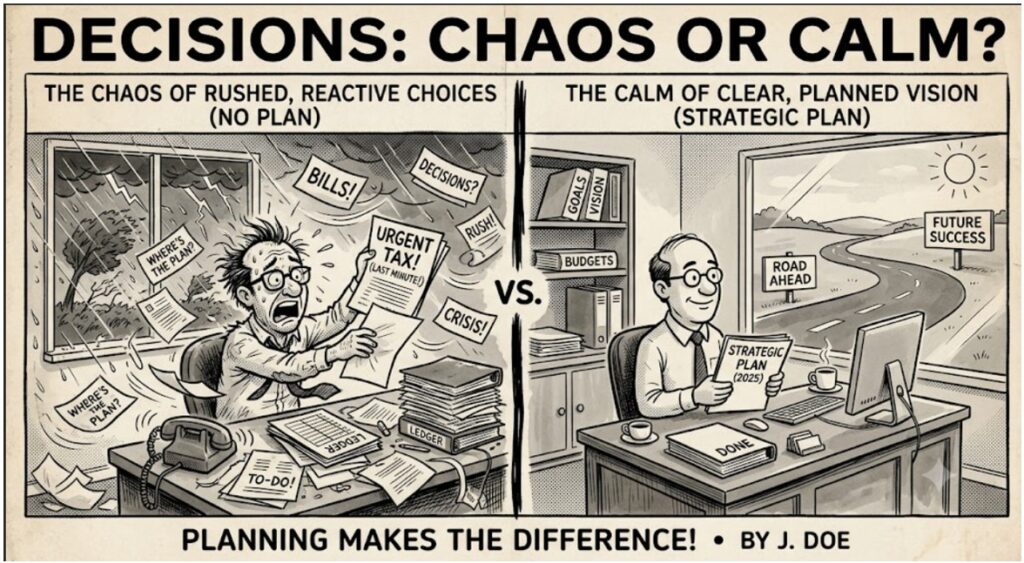
Most owners think about cash flow the way they think about oxygen. You only notice it when it’s running short. When money’s tight, cash flow is the only thing on your mind. When money’s flowing, you stop thinking about it and go back to running the business.
I’ve spent more than thirty years watching small businesses either make it or fold, and I’ll tell you what almost nobody…