AMCOMCAP.COM BLOG
WORDS OF WISDOM FOR ENTREPRENEURS & BUSINESS OWNERS

The fees that catch people off guard in factoring are usually these: a tiered discount rate that climbs the longer an invoice goes unpaid, application or setup fees, monthly minimum shortfall charges, per-transaction wire and ACH fees, lockbox fees, credit-check fees, and termination or early-exit penalties. None of those are inherently unfair — the problem is finding out about them after you’ve signed. This is exactly the right thing to be suspicious about, because the difference between a fair factoring deal and a frustrating one often lives in the fine print. A reputable factor is transparent; your job is to make sure you’re working with one.
Ask about each of these specifically, even if the factor doesn’t bring them up:
The discount/factoring fee structure. Understand whether it’s a flat fee or one that increases the longer an invoice stays unpaid (a “tiered” or “incremental” fee). The latter can quietly grow expensive on slow-paying invoices.
Application or setup fees. Some factors charge to onboard you. Ask whether there’s one and how much.
Monthly minimum fees. If your agreement has a minimum volume and you don’t hit it, you may be charged the shortfall. Know the minimum and whether you can realistically meet it.
Money transfer / wire / ACH fees. Some factors charge per transaction to send you your money. Small individually, but they add up.
Lockbox or service fees. Charges for maintaining the account where customer payments are received.
Credit check fees. Some pass along the cost of checking your customers’ credit.
Termination or cancellation fees. This is a big one. Some contracts charge a substantial penalty if you leave before a set term, or require lengthy notice to cancel. Know your exit before you enter.
Renewal terms and auto-renewal clauses. Watch for contracts that automatically renew for another long term unless you cancel within a narrow window.
Reserve and rebate handling. Understand when and how you get your reserve back, and whether anything is deducted along the way.
The single best protection is a simple request: ask the factor to walk you through the total all-in cost on a real, representative invoice, with every fee included, before you sign anything. If they can do that clearly and confidently, that’s a great sign. If they get vague, deflect, or say “we’ll figure that out later,” treat it as a warning.
A trustworthy factor’s whole pitch is built on transparency and relationship, not on quietly nickel-and-diming you. The fees themselves aren’t the danger — hidden fees are. Drag them into the light before you commit, and factoring stays the straightforward tool it should be.


Short answer: For most small businesses with a gross margin above roughly 20%, invoice factoring pays for itself — not because the fee is small, but because the fee is a variable cost that buys sales volume. A machine shop doing $1.2 million a year at a 28% gross margin can add $600,000 in sales, absorb a 4% factoring fee, and still finish the year with roughly 80% more…
Part of our Honest Answers series — straight talk about financing a growing business.
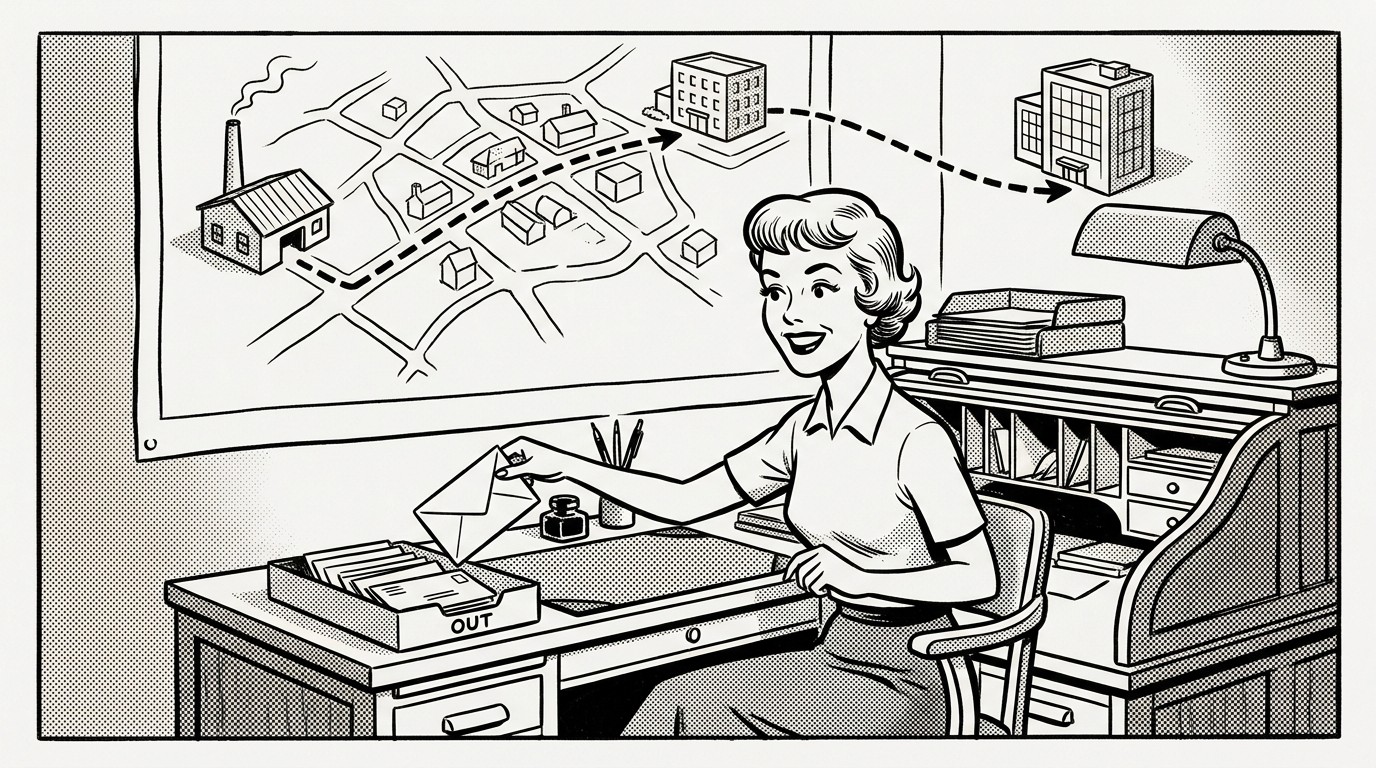
When you start factoring, we send your customer a letter. It tells them to send your payments to us instead of to you.
We call it a first-time purchase letter. The industry calls it a Notice of Assignment. Most guys call it “that letter you send my customer,” and it’s the part they…
Honest Answers from American Commercial Capital
Most advice about starting a B2B business with no money skips the hard part. It tells you to “bootstrap,” “hustle,” and “find investors.” Two of those are useful. The third one costs you the thing you started the business to get in the first place.
Here’s the honest answer: you can start a B2B business with no money — or close…



HOW MUCH COULD FACTORING INCREASE PROFITS FOR YOUR BUSINESS?
CALL 713-227-3863