AMCOMCAP.COM BLOG
WORDS OF WISDOM FOR ENTREPRENEURS & BUSINESS OWNERS

This is a thoughtful question, especially if you’re trying to build your business credit carefully. The short answer is that factoring is generally gentle on your credit profile — and in some ways can help it — but there are a few nuances worth understanding.
Start with the most important point: factoring is not a loan, so it doesn’t add debt to your business credit profile the way borrowing does. You’re selling an asset (your invoices), not taking on a liability. That means factoring typically doesn’t show up as debt that drags down your debt-to-income ratios or appear as an outstanding loan balance the way a bank loan or line of credit would. For businesses trying to keep their balance sheet clean, this is a real advantage.
Because factors evaluate your customers’ credit rather than relying heavily on yours, simply applying for factoring usually doesn’t involve the heavy credit scrutiny a loan application does. So, getting started rarely dings your credit.
Now the ways factoring can help your credit, indirectly but meaningfully. When you have reliable cash flow, you can pay your own obligations on time — your suppliers, your vendors, your own bills. Paying suppliers promptly (and sometimes early enough to earn discounts) builds a positive payment history with vendors that actually report, which is a foundation of strong business credit. In that sense, the steady cash factoring provides can quietly strengthen your credit standing over time by helping you be the reliable payer that vendors report well on.
A couple of nuances to keep in mind. The factor will typically file a UCC financing statement to document its claim on your receivables. This is standard and not a negative mark, but it is a public filing that other lenders can see, and it can affect how a future lender views your receivables (since they’re committed to the factor). If you plan to seek a bank loan later, mention the factoring relationship so it’s handled cleanly. Also, in a recourse arrangement, if an invoice goes unpaid and you fail to make good on it, that could eventually become a credit issue — but that’s an edge case tied to nonpayment, not to factoring itself.
Overall: factoring tends to be one of the more credit-friendly ways to fund a business, precisely because it isn’t debt. Used well, the cash flow it provides can help you build credit rather than hurt it.


Short answer: For most small businesses with a gross margin above roughly 20%, invoice factoring pays for itself — not because the fee is small, but because the fee is a variable cost that buys sales volume. A machine shop doing $1.2 million a year at a 28% gross margin can add $600,000 in sales, absorb a 4% factoring fee, and still finish the year with roughly 80% more…
Part of our Honest Answers series — straight talk about financing a growing business.
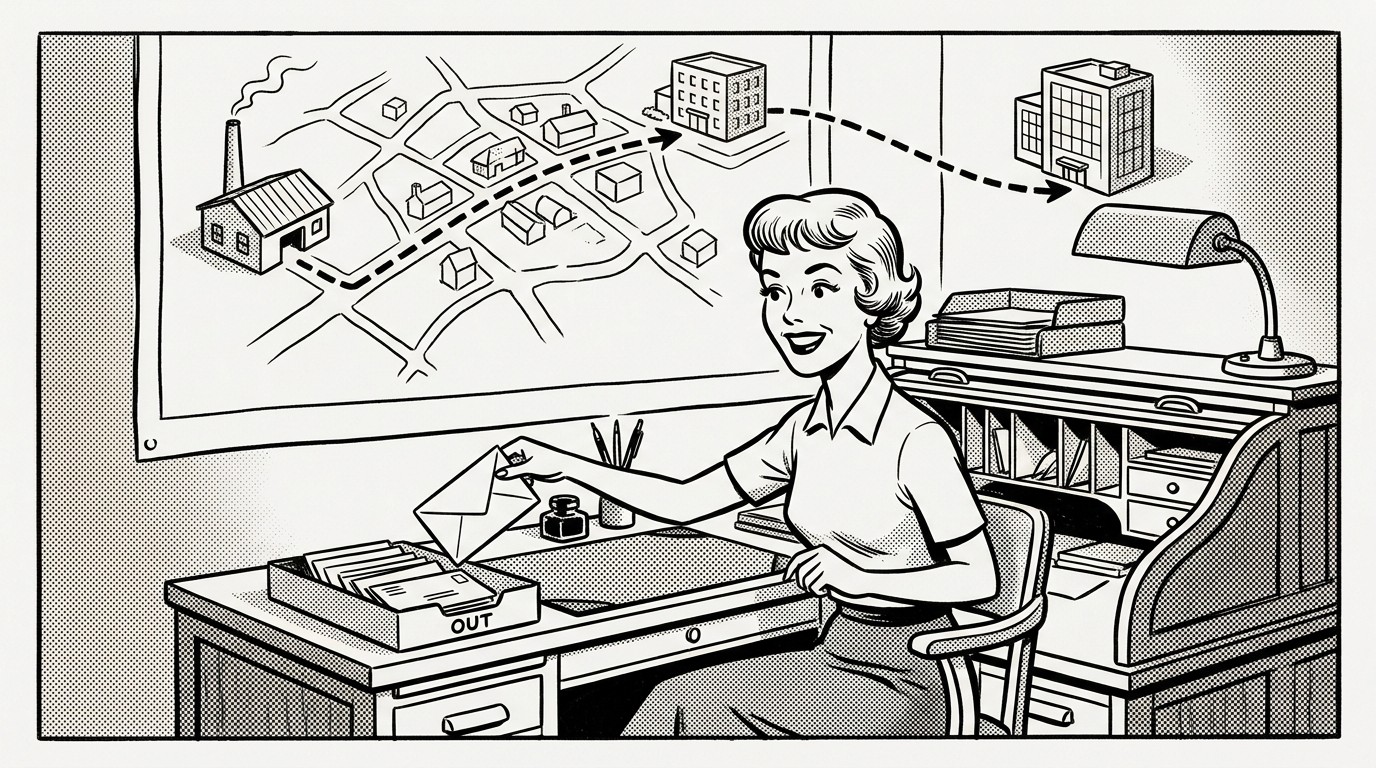
When you start factoring, we send your customer a letter. It tells them to send your payments to us instead of to you.
We call it a first-time purchase letter. The industry calls it a Notice of Assignment. Most guys call it “that letter you send my customer,” and it’s the part they…
Honest Answers from American Commercial Capital
Most advice about starting a B2B business with no money skips the hard part. It tells you to “bootstrap,” “hustle,” and “find investors.” Two of those are useful. The third one costs you the thing you started the business to get in the first place.
Here’s the honest answer: you can start a B2B business with no money — or close…



HOW MUCH COULD FACTORING INCREASE PROFITS FOR YOUR BUSINESS?
CALL 713-227-3863