AMCOMCAP.COM BLOG
WORDS OF WISDOM FOR ENTREPRENEURS & BUSINESS OWNERS

Not every invoice qualifies, so it’s worth knowing what makes one factorable before you count on it. The good news is that the rules are sensible, and most standard B2B invoices fit just fine.
At the most basic level, a factorable invoice is one that is owed by another business (or a government entity) for goods or services you’ve already delivered. A few characteristics define a clean, fundable invoice:
It’s a B2B or B2G invoice. Factoring is for business-to-business and business-to-government receivables. Invoices to individual consumers generally can’t be factored.
The work is done. The invoice should represent completed, delivered, accepted work or shipped goods. Factors are buying a confirmed obligation, not work that’s still in progress.
It’s payable on terms. The whole point is bridging the gap created by net-30, net-60, or net-90 terms. An invoice already paid, or one due immediately, doesn’t need factoring.
It’s undisputed. The customer should agree they owe the amount. If there’s a dispute about quality, quantity, or delivery, the invoice isn’t clean enough to fund until the dispute is resolved.
It’s free of competing claims. The invoice shouldn’t already be pledged as collateral to a lender or otherwise encumbered, since the factor needs a clear claim to it.
It’s owed by a creditworthy customer. Since your customer pays it, their financial reliability matters.
What typically can’t be factored: invoices for work not yet performed, consumer (B2C) invoices, invoices that are already very old and past due, invoices to customers in serious financial trouble, and invoices subject to unusual conditions like consignment or guaranteed-sale arrangements.
There are also industry nuances. Construction invoices can be more complex because of progress billing, retainage, and lien rights — they’re factorable, but not all factors work with construction companies or will purchase construction related invoices. Medical receivables, government invoices, and international invoices each have their own specialized handling.
The practical takeaway: your standard invoices to solid business customers, for work you’ve completed, on normal payment terms, are exactly what factoring is built for. If you’re unsure whether a particular invoice qualifies, just ask — a good factor will tell you quickly whether it fits.


Short answer: For most small businesses with a gross margin above roughly 20%, invoice factoring pays for itself — not because the fee is small, but because the fee is a variable cost that buys sales volume. A machine shop doing $1.2 million a year at a 28% gross margin can add $600,000 in sales, absorb a 4% factoring fee, and still finish the year with roughly 80% more…
Part of our Honest Answers series — straight talk about financing a growing business.
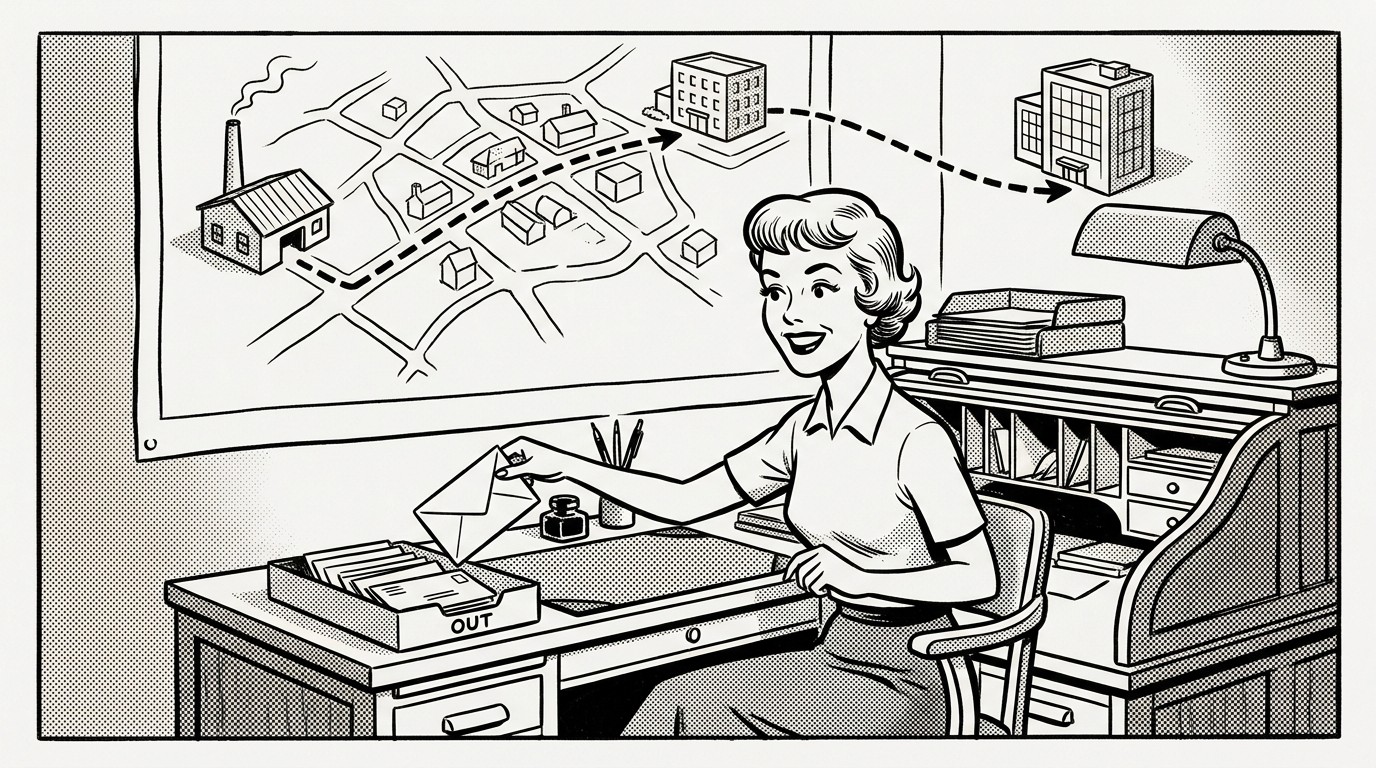
When you start factoring, we send your customer a letter. It tells them to send your payments to us instead of to you.
We call it a first-time purchase letter. The industry calls it a Notice of Assignment. Most guys call it “that letter you send my customer,” and it’s the part they…
Honest Answers from American Commercial Capital
Most advice about starting a B2B business with no money skips the hard part. It tells you to “bootstrap,” “hustle,” and “find investors.” Two of those are useful. The third one costs you the thing you started the business to get in the first place.
Here’s the honest answer: you can start a B2B business with no money — or close…



HOW MUCH COULD FACTORING INCREASE PROFITS FOR YOUR BUSINESS?
CALL 713-227-3863