Business Video Roundup: How to Retain Employees, Pitch to Major Retailers & More

In this week’s roundup of great videos for entrepreneurs and business owners, restaurateur and Houston Rockets owner Tilman Fertitta offers up some tips on pitching to major retailers, Patrick-Bet David discusses the common reasons employees quit (and what you can do to retain them), and Stanford Graduate School of Business professor Charles O’Reilly explores why even great businesses fail. Plus, things heat up on the insightful and entertaining latest episode of Entrepreneur Elevator Pitch.
Inc.: Self-Made Billionaire Tilman Fertitta Shares the Secret to Pitching Major Retailers
Tilman Fertitta knows a thing or two about pitching. His business portfolio includes restaurants, casinos, and an NBA team. In this four-minute video, he advises the founder and CEO of an activewear brand on how to land her company’s biggest client yet.
Patrick Bet-David: Why 3 Million Employees Quit This Month
In this 20-minute video, Patrick Bet-David explores the reasons employees quit and offers some excellent advice on how you, as a business owner, can retain employees over the long haul.
Inc.: How America’s Hottest Companies Find (and Keep) Top Talent
On the note of employee retention, this quick two-minute video goes over how the top companies in the U.S. in various industries find, hire, and keep top talent in today’s market. Are you following their lead?
Stanford GSB: Why Great Businesses Fail
Stanford GSB professor Charles O’Reilly says that even the best companies—ones that are great at developing and incubating new ideas—are at risk of failure if they don’t know to properly invest the resources to scale those new ideas.
Entrepreneur Elevator Pitch: “Let’s Make It Competitive Here”
The latest episode of Entrepreneur Elevator Pitch features a new crop of hungry business owners.

READ MORE FROM AMERICAN COMMERCIAL CAPITAL
What Makes the Best Factoring Company in Houston? An Honest Answer From Someone Who Runs One
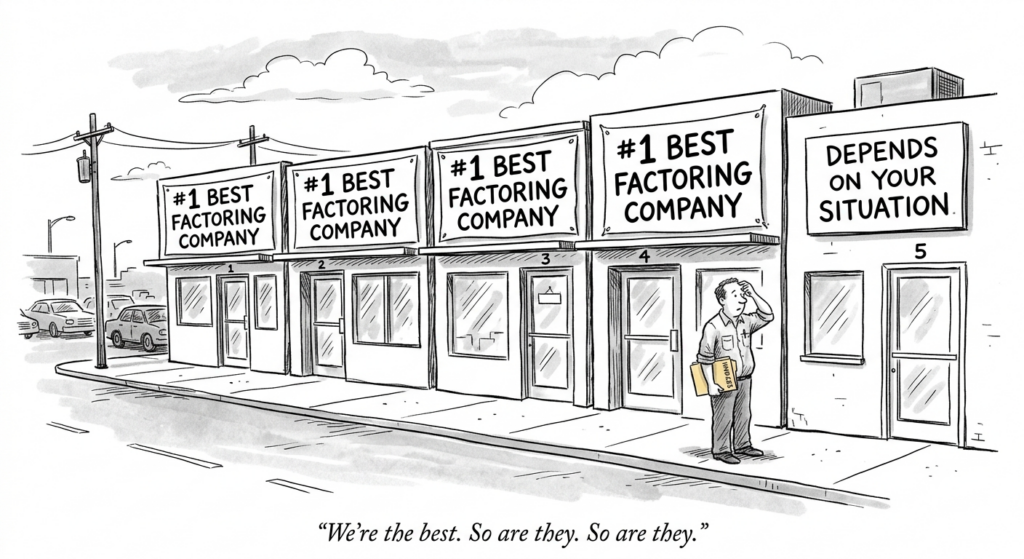
Short answer: There is no single best factoring company in Houston. There is a best factoring company for your business, and which one it is depends on your invoice size, your industry, your customers’ credit, how much hand-holding you need, and how much you’re willing to pay for speed. This article gives you the criteria to figure that out — including the questions that will get you an honest…
Survival Skills for Entrepreneurs: Growing a Business Without Running Out of Cash
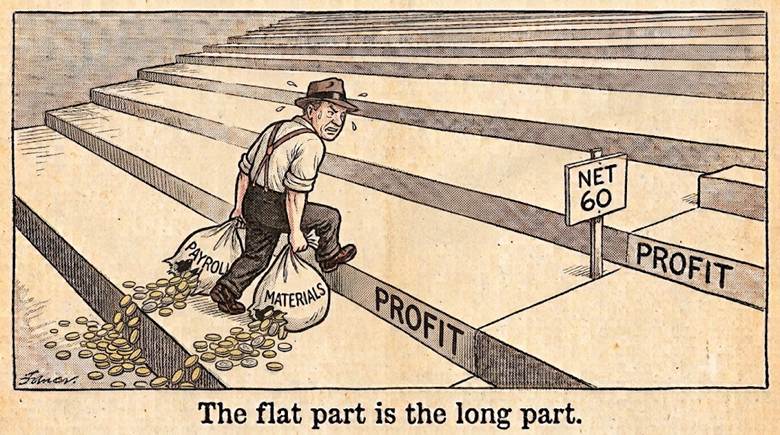
I’ve been in the factoring business since 1993, and I started American Commercial Capital in 2003. That means I’ve spent more than thirty years looking at the inside of small companies — their invoices, their aging reports, their customer lists, their payroll cycles.
It’s an unusual vantage point. A banker sees a polished loan package. An accountant sees last year. I see what’s happening this week, in real…
What’s a UCC-1 Filing, and Why Does My Factor Need One?

Part of our Honest Answers series — straight talk about financing a growing business.
Somewhere in the factoring agreement, usually right about where you’re feeling good about the deal, you’ll hit a line that says the factor will file a UCC-1 against your business. And for a lot of owners, that’s the moment the stomach tightens. A lien? Against me? I thought I was the one getting paid…